Apptronik spun out of the Human Centered Robotics Lab at the University of Texas at Austin in 2016, carrying a lineage that runs back through NASA's Valkyrie humanoid and more than a decade of work on safe, force-controlled electric actuators — over thirty in-house designs across thirteen generations. Co-founders Jeff Cardenas (CEO) and Nick Paine (CTO), with UT professor Luis Sentis, built the company on that hardware depth, and it remains the edge.
The bet: pedigree plus partnership
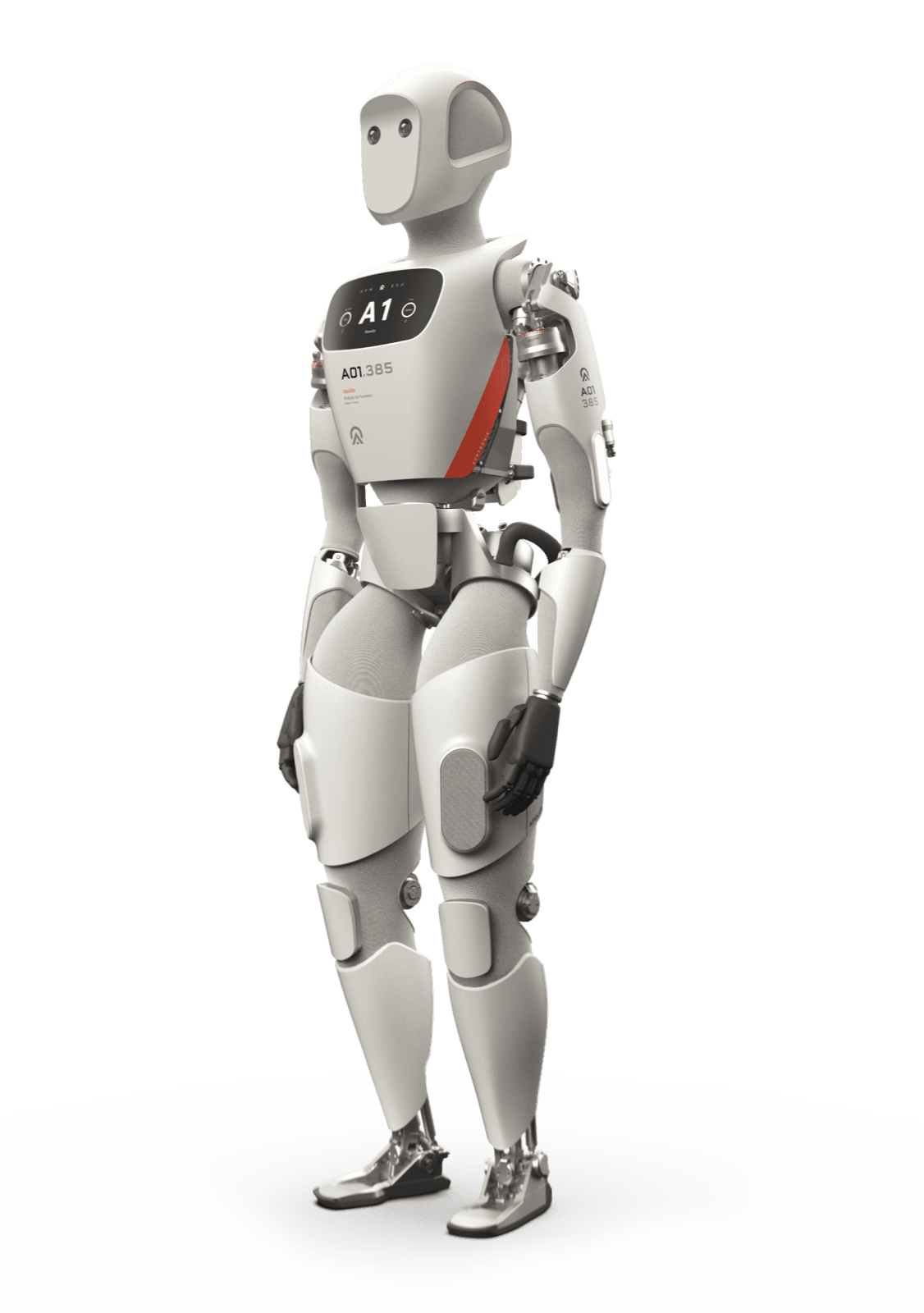
Where Figure tries to own every layer, Apptronik's strategy is deliberately leaner. It builds the body — its 1.7-metre, ~73-kilogram Apollo humanoid, aimed squarely at work: moving totes, kitting parts, tending machines — but partners for the rest. The AI comes from Google DeepMind, whose Gemini Robotics models give Apollo natural-language tasking; manufacturing runs through a deal with Jabil rather than a self-built mega-factory. The result is a more capital-efficient route to the same goal: general-purpose labour, factories and warehouses first, healthcare and the home later.
That efficiency shows in the cap table. Apptronik has raised roughly $1 billion — a $415M Series A topped by a $520M extension in February 2026 — at a valuation around $5 billion. It's a heavyweight figure, yet a fraction of Figure's $39B, which is rather the point: blue-chip strategic backers (Google, Mercedes-Benz, John Deere, AT&T, Qatar's sovereign fund) and a measured tone over moonshot PR. The team is still lean, at roughly 300 people.
Where it stands
Apollo is doing the rounds that matter. It has run pilots with Mercedes-Benz in auto manufacturing and GXO Logistics in the warehouse, and a next-generation model is reportedly in development at the Austin headquarters. The honest caveat: these remain pilots and validation programmes, not disclosed at-scale fleets, and the runtime specs — hot-swappable batteries for some 22 working hours a day — are company-stated.
Apollo isn't a companion and has no face — just chest and face displays for status. It's in this directory as a benchmark for industrial credibility: when the conversation turns to which humanoids are actually doing paid work in 2026, and doing it without overselling, Apptronik is on the short list.
From this maker