
Apptronik/Humanoid
Apollo
A working humanoid, already on pilot lines.
- ~$5B-valued; backed by Google and Mercedes-Benz
- Runs Google DeepMind's Gemini Robotics AI
- Built for 22-hour days via hot-swap batteries
Realism index
28/100
Our editorial estimate of how close this machine is to a lifelike human companion — six weighted dimensions, built from public evidence. How we score · The whole field, ranked
See it move
Photos flatter; motion is where realism is won or lost.
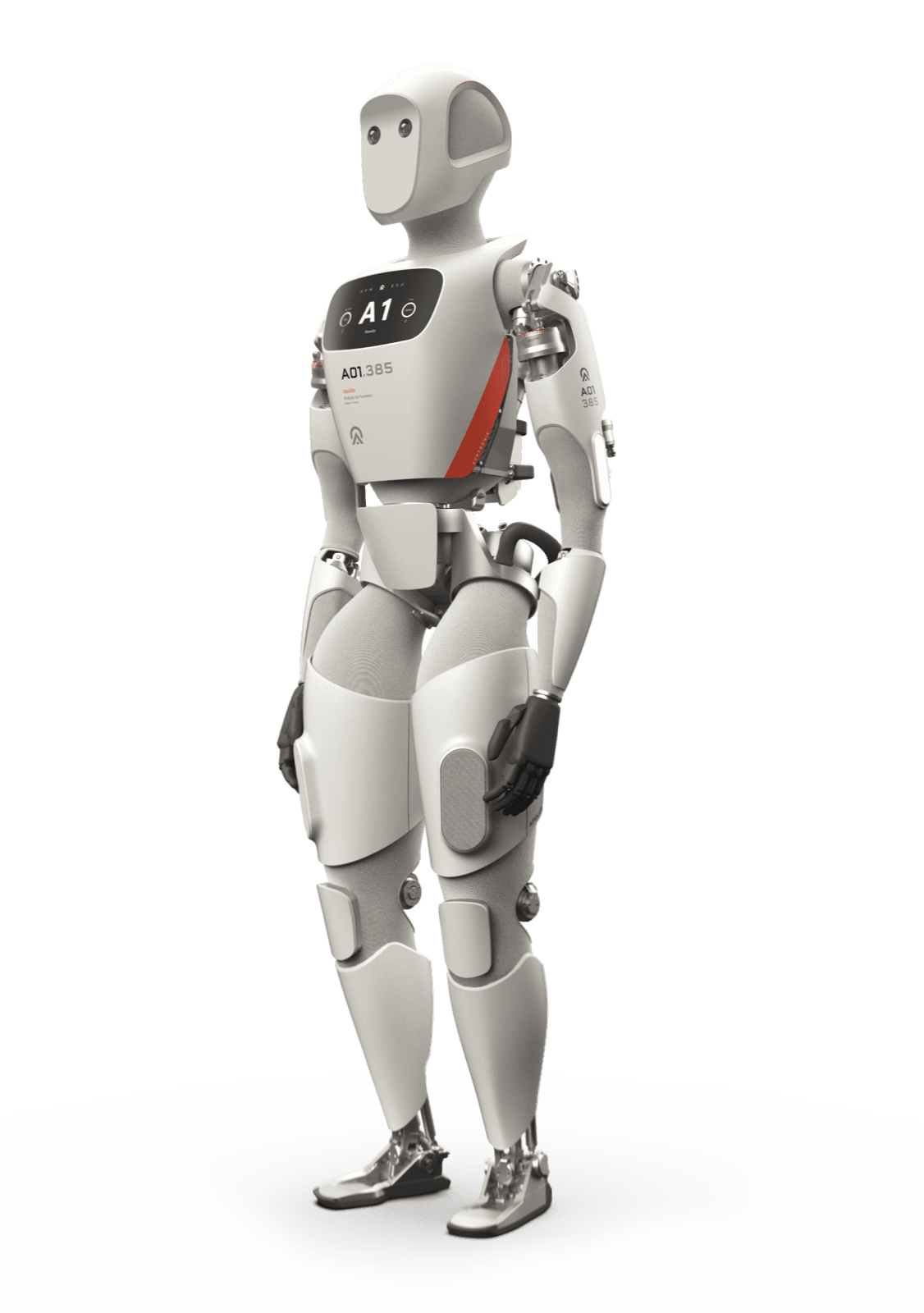
Apollo is what a humanoid looks like when the goal is a paycheck, not a relationship. At 1.7 metres and 73 kilograms, it's built to move totes, tend machines, and kit parts — and it's already doing supervised versions of that work in pilots with Mercedes-Benz, GXO Logistics, and Jabil.
Apptronik's edge is hardware: more than thirty in-house generations of safe, force-controlled actuators, now paired with Google DeepMind's Gemini Robotics for natural-language tasking. A ~$5 billion valuation funds the push to scale.
It has no face beyond a status display and no companion ambitions whatsoever. Apollo earns its place here as proof that humanoids are starting to do real, paid work in 2026 — the industrial foundation on top of which the more intimate machines are being imagined.
Our verdict
The case for
- Strong industrial validation — Mercedes-Benz, GXO and Jabil pilots
- Purpose-built compliant actuators for safety
- Deep capital and AI backing for scale-up
The case against
- Still pilot-stage; no mass production or public price in 2026
- The ~4-hour battery needs hot-swapping for full shifts
- Dexterous hands are still maturing
What it can do
- Moves totes and boxes; kitting, picking, sorting, inspection
- Natural-language tasking via Gemini Robotics
- Designed for human-collaborative operation
The paper trail
Dated milestones — announcements, prices, promised ship windows — as they were made. We add to this record; we don't rewrite it.
Raises $520M more at ~$5B valuation
Series A passes $935M total, pointed at planned commercial-scale deployment in 2026.
$350M Series A with Google participation
Co-led by B Capital and Capital Factory, on top of a Google DeepMind robotics partnership.
Lab proof-of-concept first, then Apollo trials in a US distribution center.
Apollo's first commercial deployment: intralogistics trials in Mercedes plants.
Show 1 earlier milestones ↓Hide earlier milestones ↑
Apptronik targeted a commercial release by end of 2024 at 'about the price of a new car' — a window that came and went.
Quick answers
Composed from the directory record above — so they can't drift from the data.
- What is Apollo?
- Apollo is a humanoid-class machine (general-purpose) from Apptronik (USA). A 73-kilogram industrial humanoid, backed by Google and Mercedes-Benz, already moving boxes in pilot warehouses.
- How much does Apollo cost?
- Apptronik hasn't disclosed pricing — Targeting under $50k at scale; not yet sold.
- Can you buy Apollo right now?
- No — Apollo has been announced but isn't orderable yet. The maker's current label is "In pilots now".
- How lifelike is Apollo?
- We rate Apollo 28/100 on the gfs.ai Realism Index — an editorial score across six weighted dimensions, built only from public evidence. It scores strongest on motion (50/100) and weakest on face (6/100).
- Who makes Apollo?
- Apollo is built by Apptronik — founded 2016, headquartered in Austin, Texas. The company's focus: general-purpose humanoids (apollo) for logistics and manufacturing.
Related reading
Keep exploring
Related machines
Atlas
Boston Dynamics
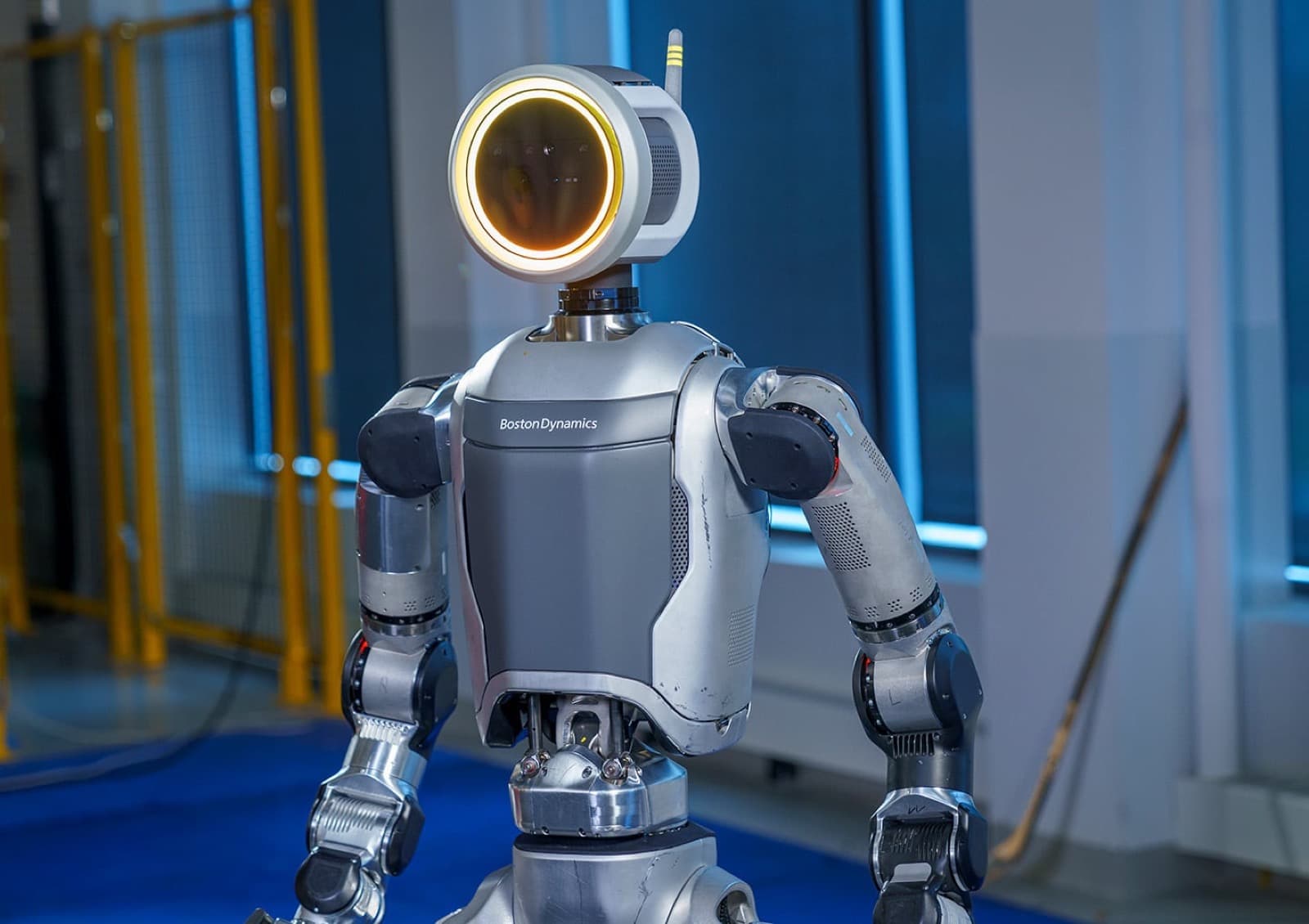
The capability ceiling of the whole field.
Optimus
Tesla
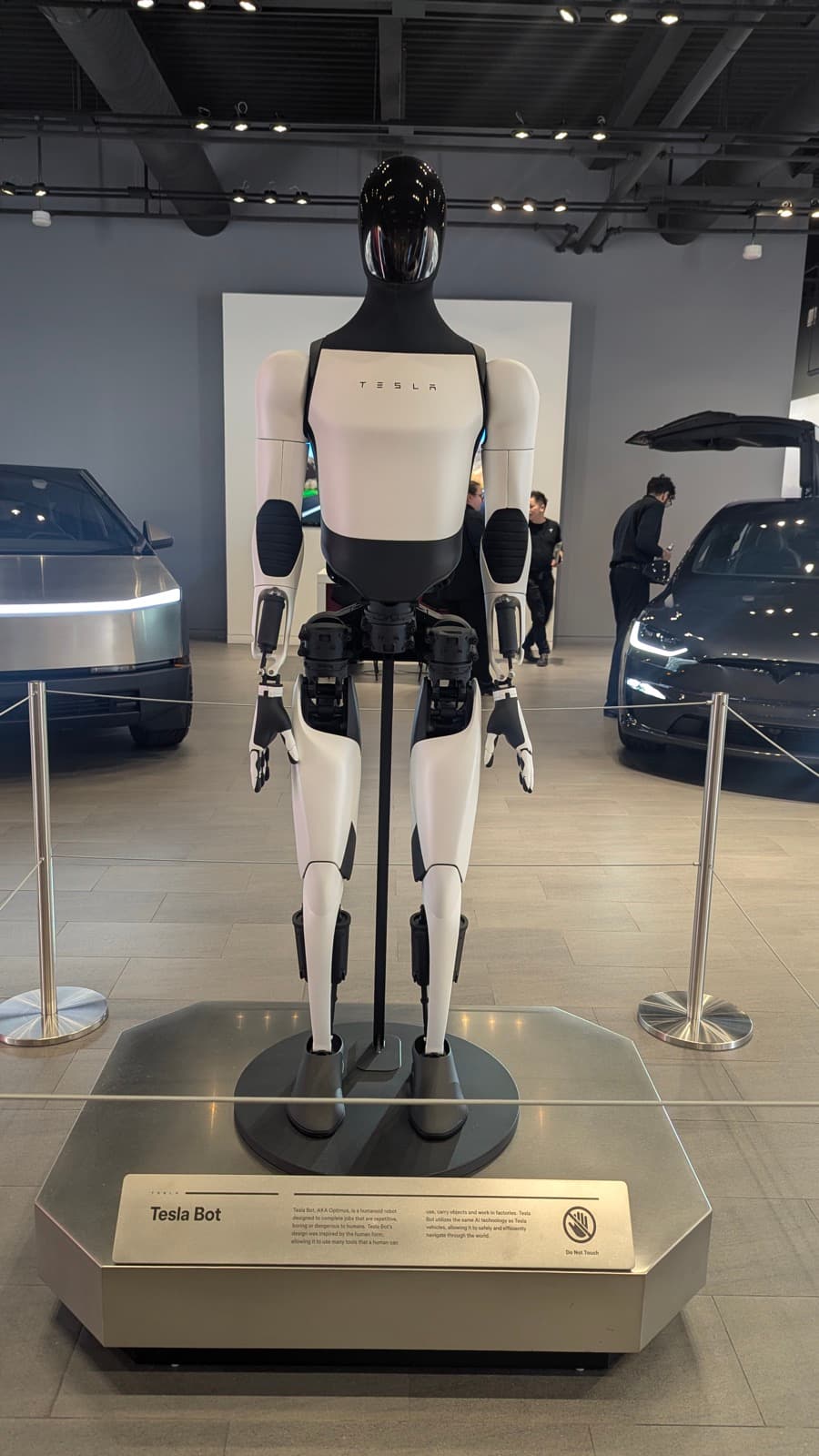
Tesla's bid to build humanoids by the million.

Clone Alpha
Clone Robotics
An android built like a body — muscle, bone, and a lot of unproven promise.
Unitree G1
Unitree
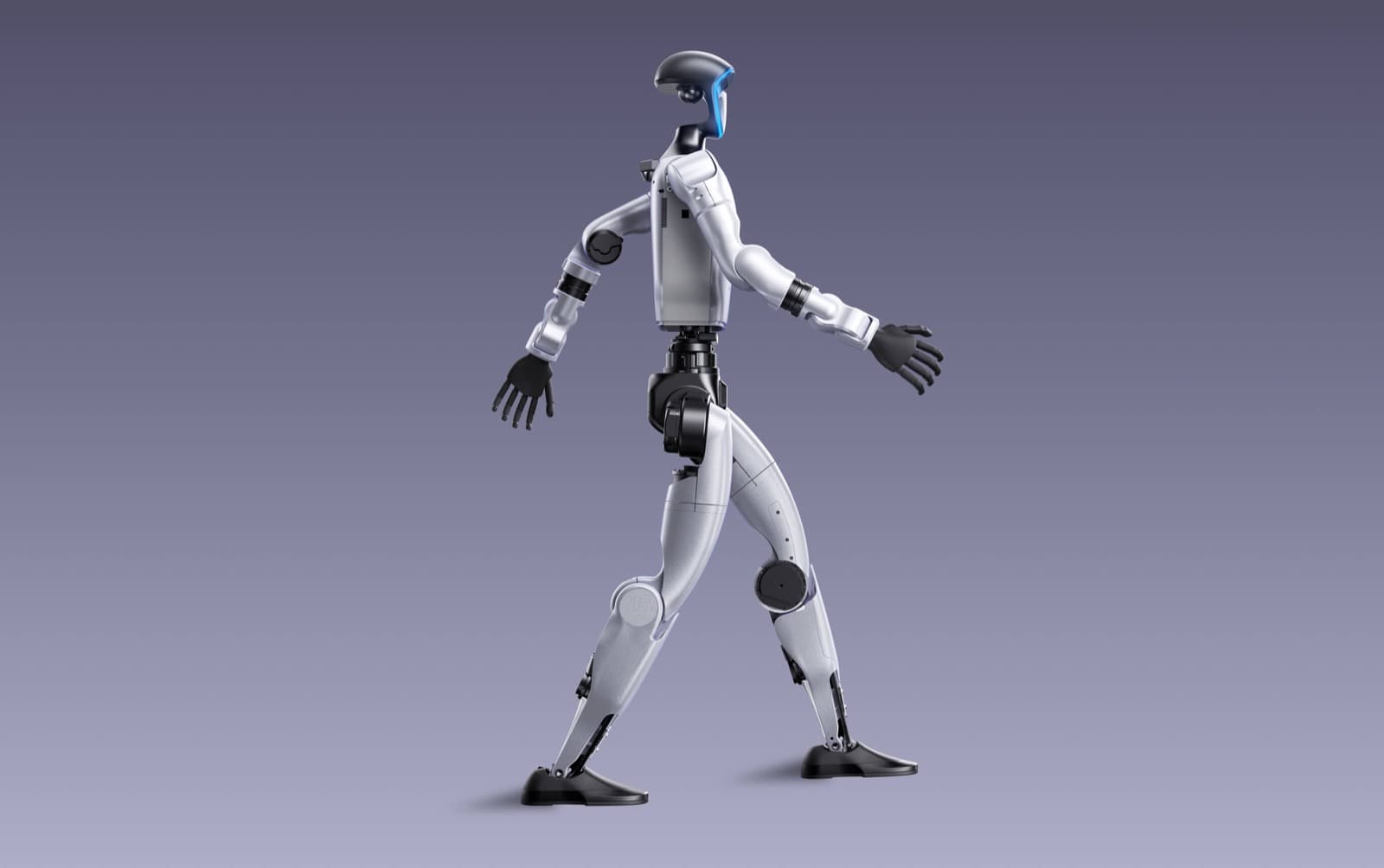
The cheapest walking humanoid you can actually buy.