Maker
UBTech Robotics
The first humanoid maker to IPO — now the first to mass-order a companion.
Founded in 2012 in Shenzhen by Zhou Jian (who anglicizes his name as James), UBTech spent its first decade as a maker of small, likeable robots: the Alpha and Jimu consumer humanoids, the Yanshee education kit, an officially licensed Star Wars stormtrooper, and later the Cruzr service robots that greet shoppers in malls and airports. Backed by Tencent, it became, in December 2023, the first humanoid-robot company anywhere to go public — listing on the Hong Kong Stock Exchange under ticker 9880.HK — and rode the humanoid boom to a valuation near $6.6 billion.
From the factory floor to the living room
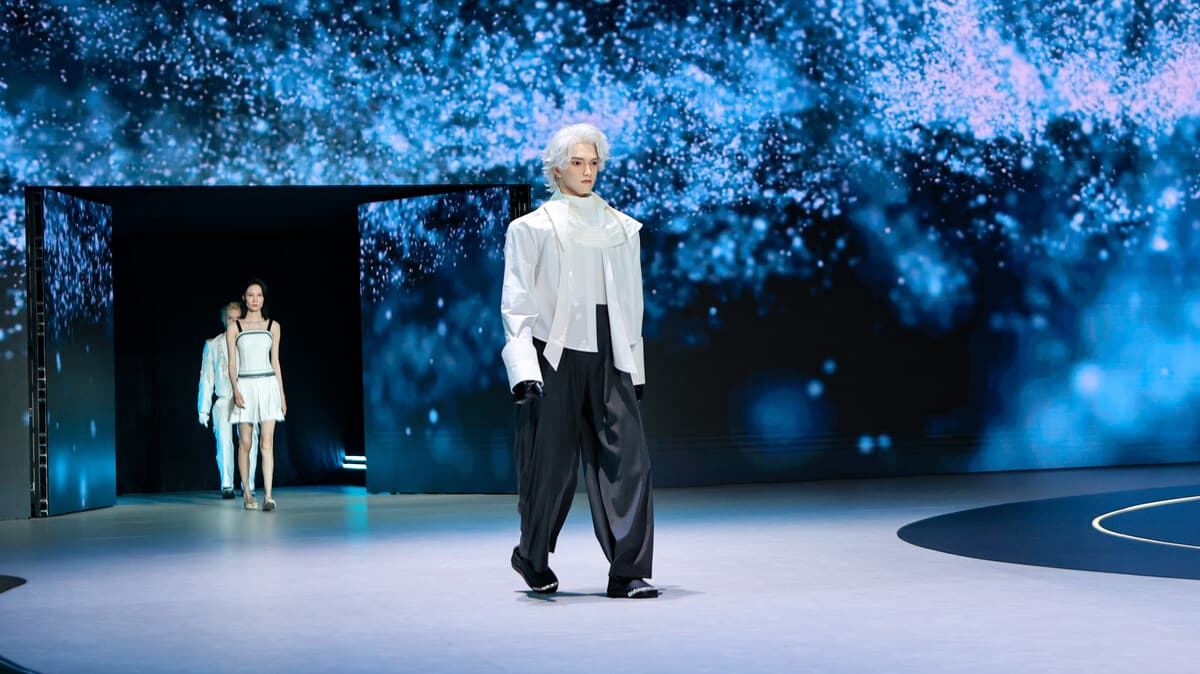
For years UBTech's serious ambition lived in its Walker line — full-size industrial humanoids (the Walker S, then the third-generation Walker S2) pitched at carmakers and warehouses, with mass delivery of the S2 beginning at the end of 2025. Then, at its 2026 Global Launch Event in Shenzhen on 30 June, it changed the subject. Under a new consumer sub-brand, UWORLD, it unveiled the U1 — billed as "the world's first full-size, mass-produced ultra-bionic humanoid robot," a silicone-skinned companion sold in male and female bodies and built not to lift boxes but to keep you company.
CEO Zhou frames this as a three-stage arc: from "completing hazardous and repetitive work," to "everyday life through companionship and service applications," and finally to "increasingly seamless interaction between humans and intelligent robots." Chief brand officer Michael Tam put the pitch more plainly — "human-robot companionship represents a new approach to supporting mental well-being" — and the company names eldercare, bereavement support and counselling, even romance-simulation experiences aimed at women, as target markets. It is UBTech's declared "second growth curve" beyond the factory, and it has company: Beijing's Noetix Robotics is chasing the same lifelike-consumer niche.
The numbers, and where it stands
UBTech's advantage is that it is real, public, and scrutinized — and its 2025 accounts show both the momentum and the cost. Revenue reached RMB 2.0 billion (up ~53%), while the net loss narrowed to RMB 790 million from RMB 1.16 billion a year earlier. The story underneath is the humanoid line: revenue from full-size humanoid products leapt more than 22-fold to RMB 820 million, on just 1,079 units sold — a tiny base, but a real one, at a healthier 37.7% gross margin. The U1 is the bet that the next order of magnitude comes from living rooms, not loading docks.
The early signal is loud — 13,000-plus preorders before final pricing was set, and the stock closed up ~7.5% on launch day — but preorders are deposits, not deliveries, and UBTech's stage demos have historically leaned on choreography and teleoperation more than the clips admit. The company has stood up an AI-and-robotics ethics committee and restricts U1 sales to adults, and it increasingly describes itself as a "platform company" for AI-enabled robotics rather than a hardware vendor. Treat the autonomy and emotion-reading claims as claims; treat the first-mover status as fact. It got a mass-order lifelike companion onto JD.com before anyone else did.