
UBTech Robotics/Companion
UBTech U1
A lifelike face on a walking body — the first companion you can mass-order.
- The first full-size, mass-produced lifelike companion robot
- A realistic silicone face AND a walking body — rarely both in one machine
- 13,361 preorders on JD.com before final pricing was announced
Realism index
60/100
Our editorial estimate of how close this machine is to a lifelike human companion — six weighted dimensions, built from public evidence. How we score · The whole field, ranked
See it move
Photos flatter; motion is where realism is won or lost.
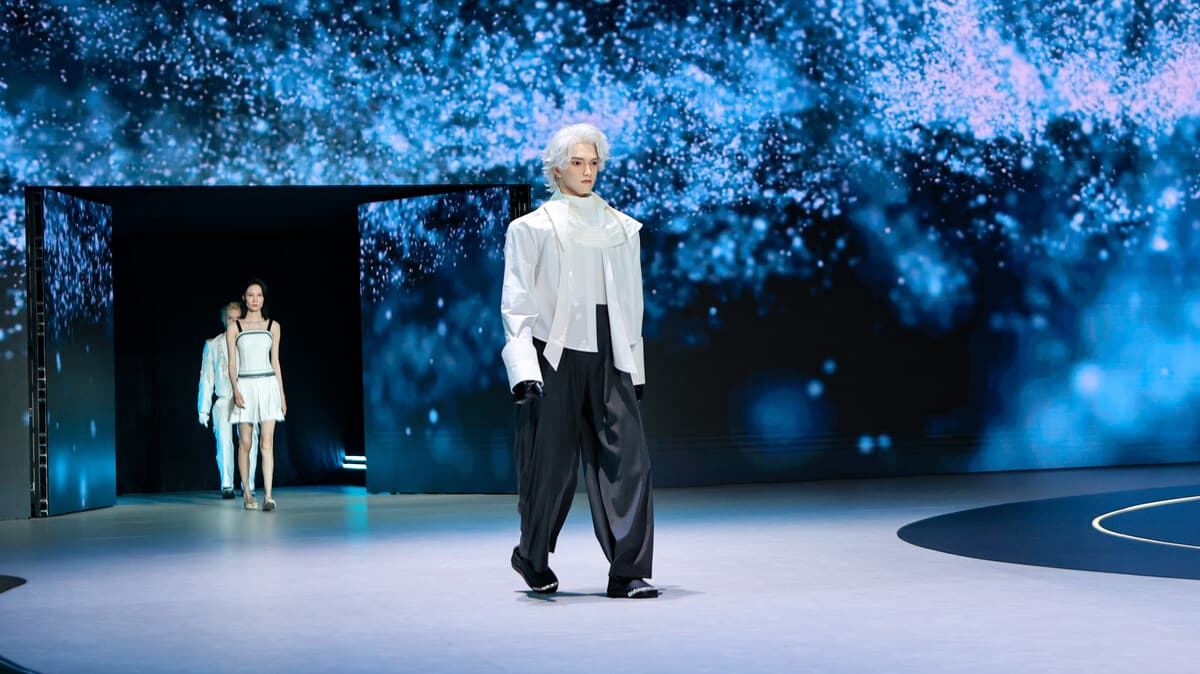
Almost every machine in this directory is missing half of the fantasy. The lifelike ones — Aria, Sophia, Grace — are faces on a static base or a wheeled cart. The full-body ones — Optimus, the Unitree G1 — walk, but wear an exposed metal chassis and no face at all. The U1 is the first mass-produced attempt to put both in one body: a silicone-skinned, human-featured companion that also stands up and walks across the room.
What it is
UBTech revealed the U1 by walking it down a runway. At its 2026 Global Launch Event in Shenzhen on 30 June, under a new consumer brand called UWORLD, two robots strode out under the lights — a 183 cm / 42 kg male with pale hair and a 168 cm / 35.2 kg female — wrapped in a proprietary biomimetic silicone skin with realistic hair, subtle facial movement and reflective eyes. Underneath are 88 degrees of freedom, including a dual-pivot "biomimetic" neck, which UBTech says reproduce up to 90% of basic human movement.
It watches you with head-mounted cameras and runs what UBTech calls a "fast-and-slow" brain — a reflexive system that answers in about half a second, paired with a deliberative model of "hundreds of billions of parameters." The company claims it recognizes 20-plus fine-grained emotions from your face, tone and speech at better than 90% accuracy, adapts the conversation to your mood, and syncs its lips to speech within ~20 ms. Crucially, your history with it lives in an on-device, encrypted "Agent Memory OS" on a local Rockchip processor — personal data stays on the robot rather than in the cloud, with Wi-Fi reserved for connected services.
The lineup
UWORLD sells the U1 in three trims: the U1 Lite, a semi-torso edition from ¥119,800 (~$17,650); the full-body, high-performance U1 Pro at ¥169,800 (~$25,000); and the high-dynamic U1 Ultra, topping out near ¥990,000 (~$146,500). Preorders opened on JD.com on 2 June with a ¥3,000 (~$450) deposit; by launch day cumulative orders had passed 13,361 units, with deliveries promised from mid-September 2026. Sales are restricted to adults.
The pitch
UBTech is careful to frame the U1 as therapy, not a toy. "Human-robot companionship represents a new approach to supporting mental well-being," chief brand officer Michael Tam said at the launch — and the company talks openly about eldercare, bereavement support and counselling as the real markets. It's an unusually candid pitch for a machine this intimate, and a reminder that the U1's job is emotional, not physical.
The honesty
The U1 walks, sits and stands — but only on flat indoor floors. It can't manage stairs or rough ground, can't do household chores, and won't accept user-programmed behaviours; the battery lasts two to four hours. And the headline intelligence is, for now, a set of company claims: UBTech has published no model architecture, no benchmarks and no safety testing behind the emotion-reading or the "90% of human motion," and its rivals' stage demos have a long history of leaning on choreography. What isn't in doubt is the milestone: a lifelike, full-body companion you could actually put in a cart and order, at a price that starts below twenty thousand dollars.
Why it scores 60
The highest completeness in the field — the only machine here that offers a convincing face and a walking body at once, which is exactly the fantasy this site exists to track. It lands just under Aria (64), whose face-and-skin craft is more proven, because the U1's realism is brand-new and untested outside a launch stage, its locomotion is limited, and its "emotional intelligence" is marketing until owners report back. But no product has ever combined this much of the promise and offered it for preorder to anyone with a JD.com account. If the deliveries in September look anything like the runway, this is the number that moves.
Our verdict
The case for
- Pairs a lifelike face with a full walking body — rare in a single machine
- Actually mass-produced and, at the entry trim, relatively attainable
- On-device, encrypted memory is a genuine privacy posture, not a marketing line
The case against
- Can't climb stairs, cross rough ground, or do chores; no user programming
- Only ~2–4 hours per charge — tethered to frequent recharging
- Emotion-AI accuracy and the "90% of human motion" figure are unverified company claims; the top trim runs to ~$146k
What it can do
- Emotion-aware conversation that reads tone, facial expression and speech
- Walks, sits and stands on flat indoor ground
- Stores an encrypted, on-device memory of you; customizable look and personality
The paper trail
Dated milestones — announcements, prices, promised ship windows — as they were made. We add to this record; we don't rewrite it.
Launched in Shenzhen; orders pass 13,361
Three trims priced ¥119,800–¥990,000 at the Global Launch Event; deliveries promised from mid-September, sales restricted to adults.
¥3,000 (~$450) deposit under the new UWORLD consumer brand — more than 2,100 reservations in the first week, before a final price existed.
Quick answers
Composed from the directory record above — so they can't drift from the data.
- What is UBTech U1?
- UBTech U1 is a companion-class machine (built for relationship) from UBTech Robotics (China). The first full-size, mass-produced lifelike companion — silicone skin and a walking body in one machine, with 13,000+ preorders before a price was even set.
- How much does UBTech U1 cost?
- U1 Lite (semi-torso) from ¥119,800 (~$17,650); full-body U1 Pro ¥169,800 (~$25,000); high-dynamic U1 Ultra up to ¥990,000 (~$146,500). Adults only. Prices in this category move often — the paper trail on this page records every change we log.
- Can you buy UBTech U1 right now?
- Not yet — UBTech U1 is taking preorders, with delivery still a promise rather than a fact. The maker's current label is "Preorder · ships Sept 2026". We treat ship dates as claims until real deliveries are verified.
- How lifelike is UBTech U1?
- We rate UBTech U1 60/100 on the gfs.ai Realism Index — an editorial score across six weighted dimensions, built only from public evidence. It scores strongest on face (76/100) and weakest on reality (34/100).
- Who makes UBTech U1?
- UBTech U1 is built by UBTech Robotics — founded 2012, headquartered in Shenzhen, China. The company's focus: humanoid, service and education robots — now consumer companions.
Keep exploring
Related machines
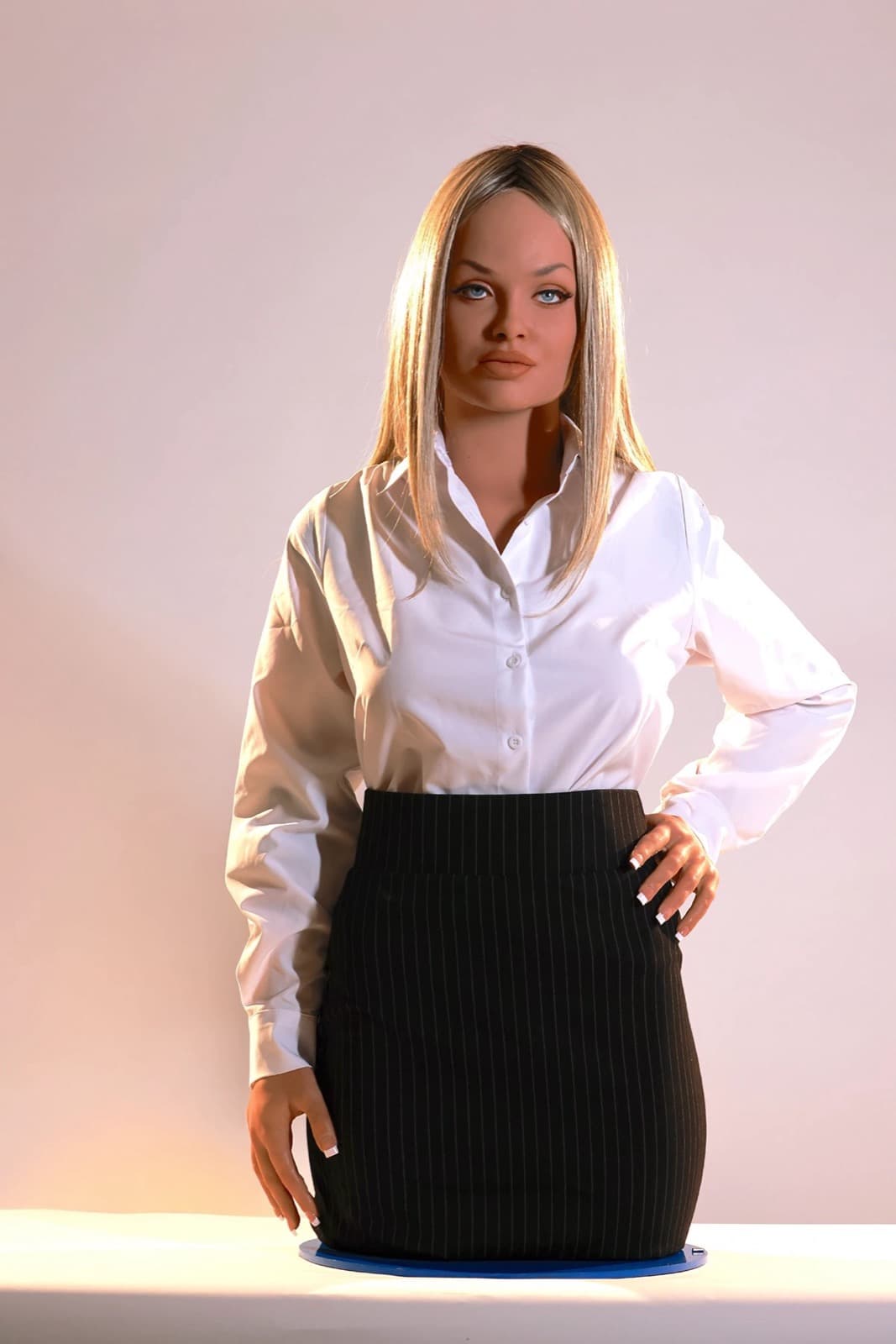
Aria
Realbotix
The most lifelike companion you can actually buy.

Melody
Realbotix
Aria's portable, open-source sister.
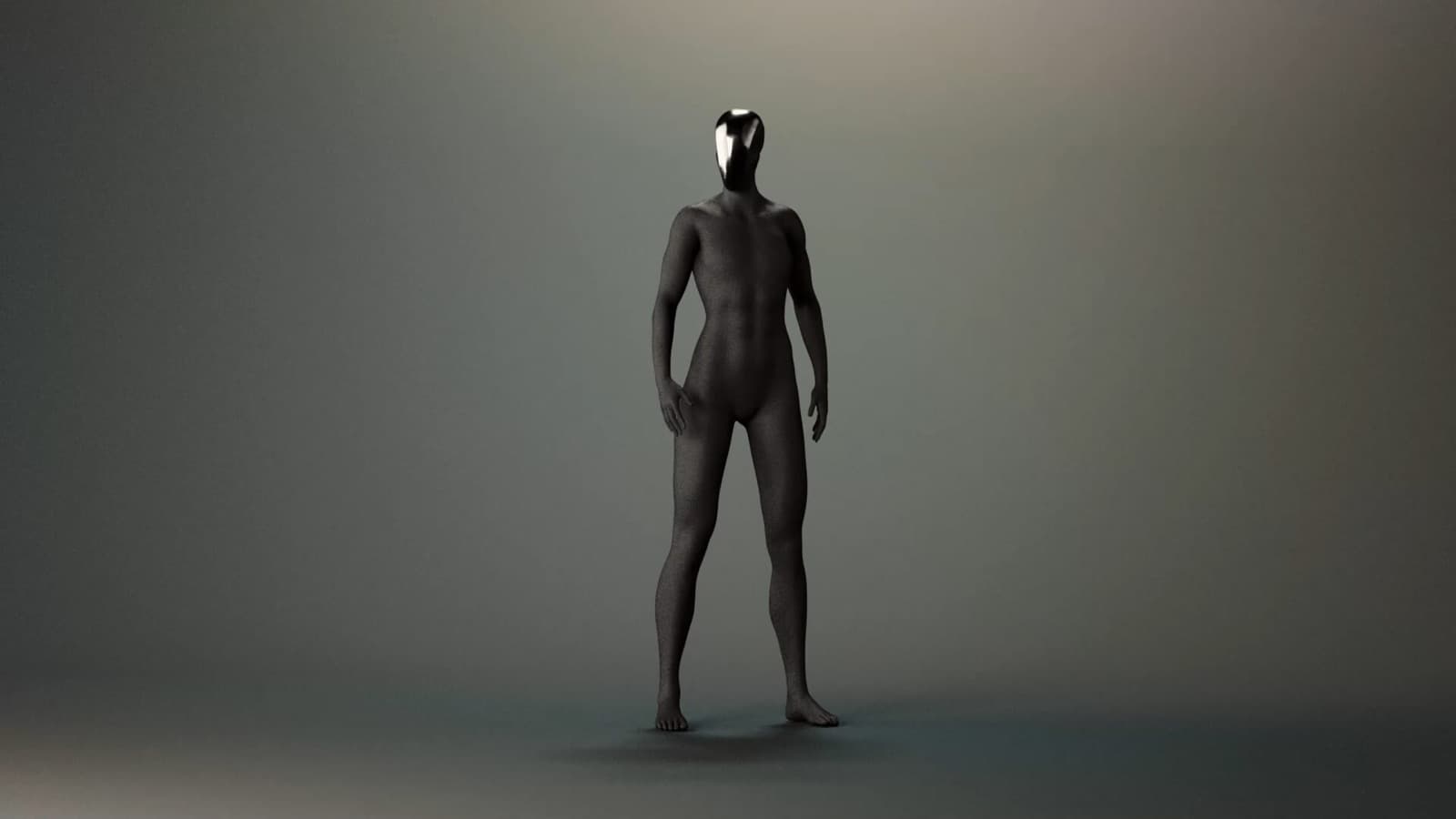
Clone Alpha
Clone Robotics
An android built like a body — muscle, bone, and a lot of unproven promise.
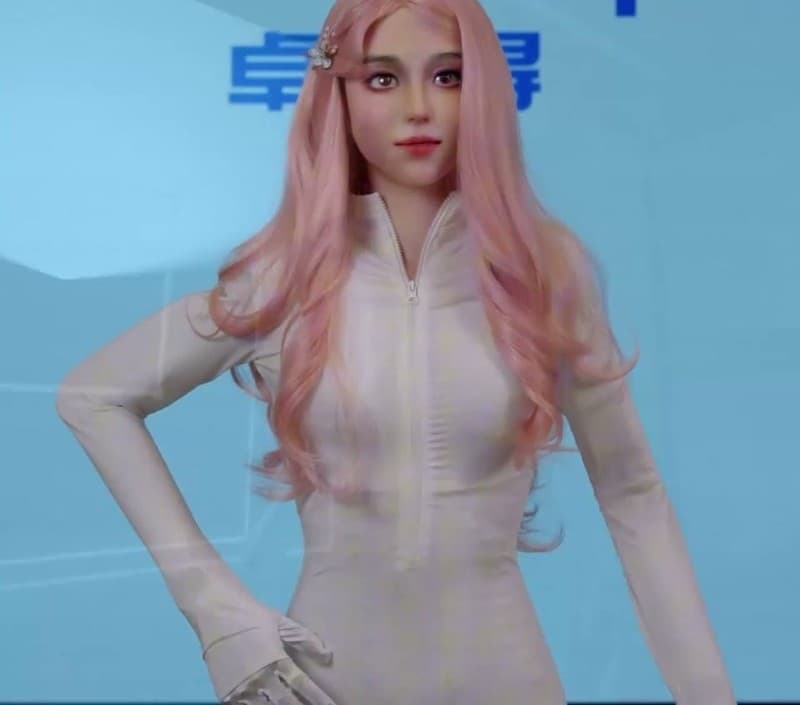
Moya
DroidUp
China's warm-skinned answer to Aria — if the claims hold.