Unitree/Humanoid
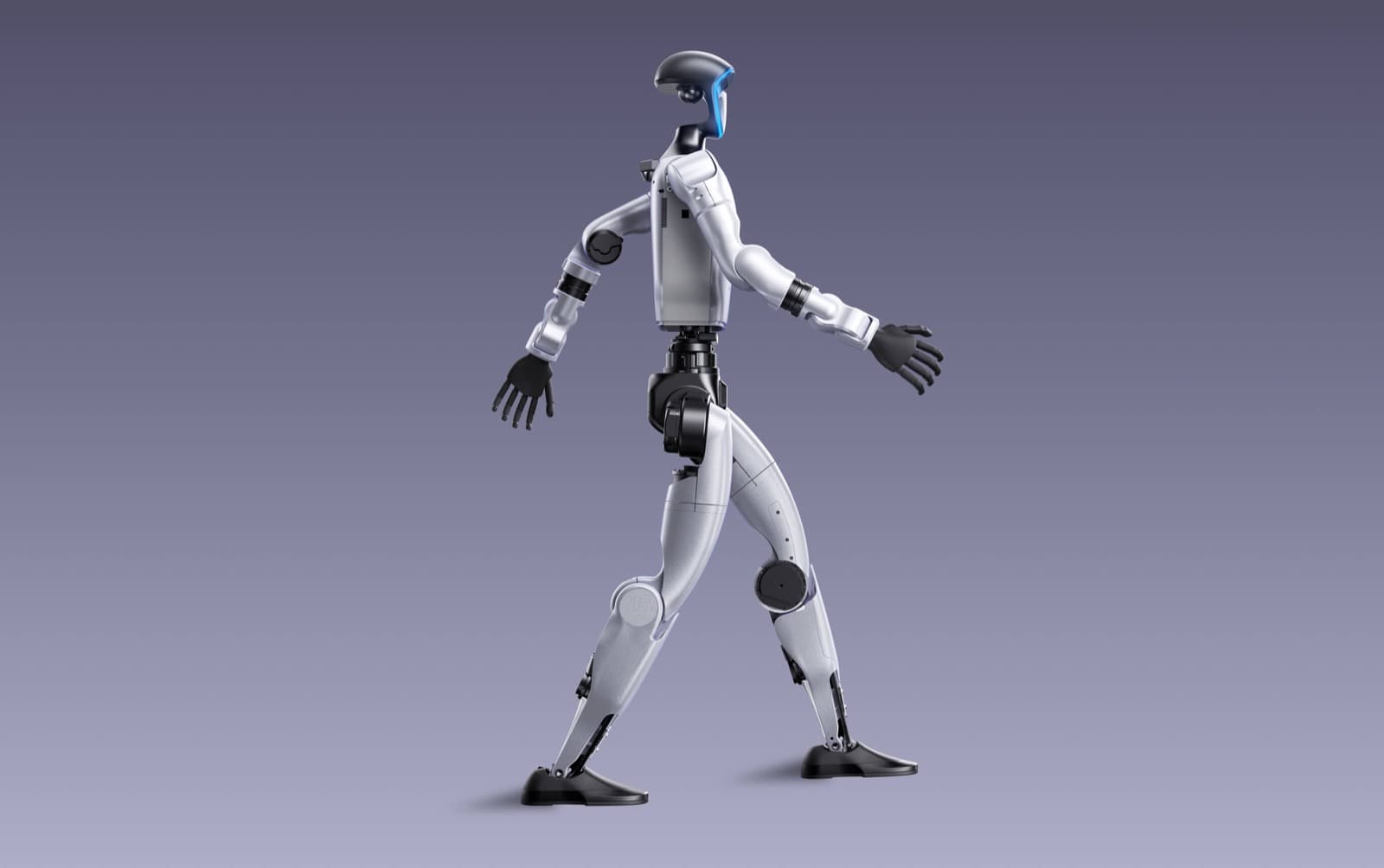
Unitree G1
The cheapest walking humanoid you can actually buy.
- The cheapest walking humanoid on the market
- Folds down to about 690 mm for transport
- Unitree ships more humanoids than anyone
Realism index
22/100
Our editorial estimate of how close this machine is to a lifelike human companion — six weighted dimensions, built from public evidence. How we score · The whole field, ranked
See it move
Photos flatter; motion is where realism is won or lost.
The G1 isn't here to be loved — it's here to remind everyone how cheap a walking humanoid can be. For roughly the price of a car, Unitree sells a folding, 35-kilogram machine that balances, walks, picks itself up off the floor, and runs the viral party tricks (dancing, "kung fu") that fill robotics feeds.
It's a research platform, plainly: exposed chassis, no face, no warmth, a two-hour battery, and a base model that ships without hands. But it has a thriving developer ecosystem and over-the-air updates, and it makes Unitree the volume leader in humanoids worldwide.
For this directory, the G1 is the price anchor. Every companion's six-figure sticker looks the way it does partly because the cheapest credible humanoid body on earth costs less than a used sedan — and comes from Hangzhou.
Our verdict
The case for
- The lowest-cost production humanoid you can buy
- Compact and portable — folds for transport
- A strong research SDK and OTA-update ecosystem
The case against
- Child-sized — limited reach and ~2 kg/arm payload
- Roughly two-hour runtime
- The base model ships without hands
What it can do
- Bipedal walking, balancing and self-righting
- Optional three-finger dexterous hands
- Dynamic skills — dancing, "kung fu," getting up — via learning
The paper trail
Dated milestones — announcements, prices, promised ship windows — as they were made. We add to this record; we don't rewrite it.
5,500+ humanoids confirmed delivered in 2025
Unitree's official clarification: over 5,500 humanoids sold and delivered in 2025 (6,500+ produced) — the G1 genuinely shipped at scale.
Listed at 99,000 yuan (~$13,700) after its Spring Festival Gala fame; the first listing quickly sold out.
August 2024 — mass-production version shown
A refined, production-ready G1, still from $16,000.
Introduced at ICRA 2024 in Yokohama — a fraction of the $90,000 H1.
Quick answers
Composed from the directory record above — so they can't drift from the data.
- What is Unitree G1?
- Unitree G1 is a humanoid-class machine (general-purpose) from Unitree (China). A folding, child-sized research humanoid that walks, dances and self-rights — for the price of a car, not a house.
- How much does Unitree G1 cost?
- ~$16k at launch; ~$13.5k base in 2026 (EDU options cost more). Prices in this category move often — the paper trail on this page records every change we log.
- Can you buy Unitree G1 right now?
- Yes — Unitree G1 is shipping to customers today. The maker's current label is "Shipping now".
- How lifelike is Unitree G1?
- We rate Unitree G1 22/100 on the gfs.ai Realism Index — an editorial score across six weighted dimensions, built only from public evidence. It scores strongest on reality (58/100) and weakest on face (0/100).
- Who makes Unitree G1?
- Unitree G1 is built by Unitree — founded 2016, headquartered in Hangzhou, China. The company's focus: affordable quadruped and humanoid robots.
Keep exploring
Related machines
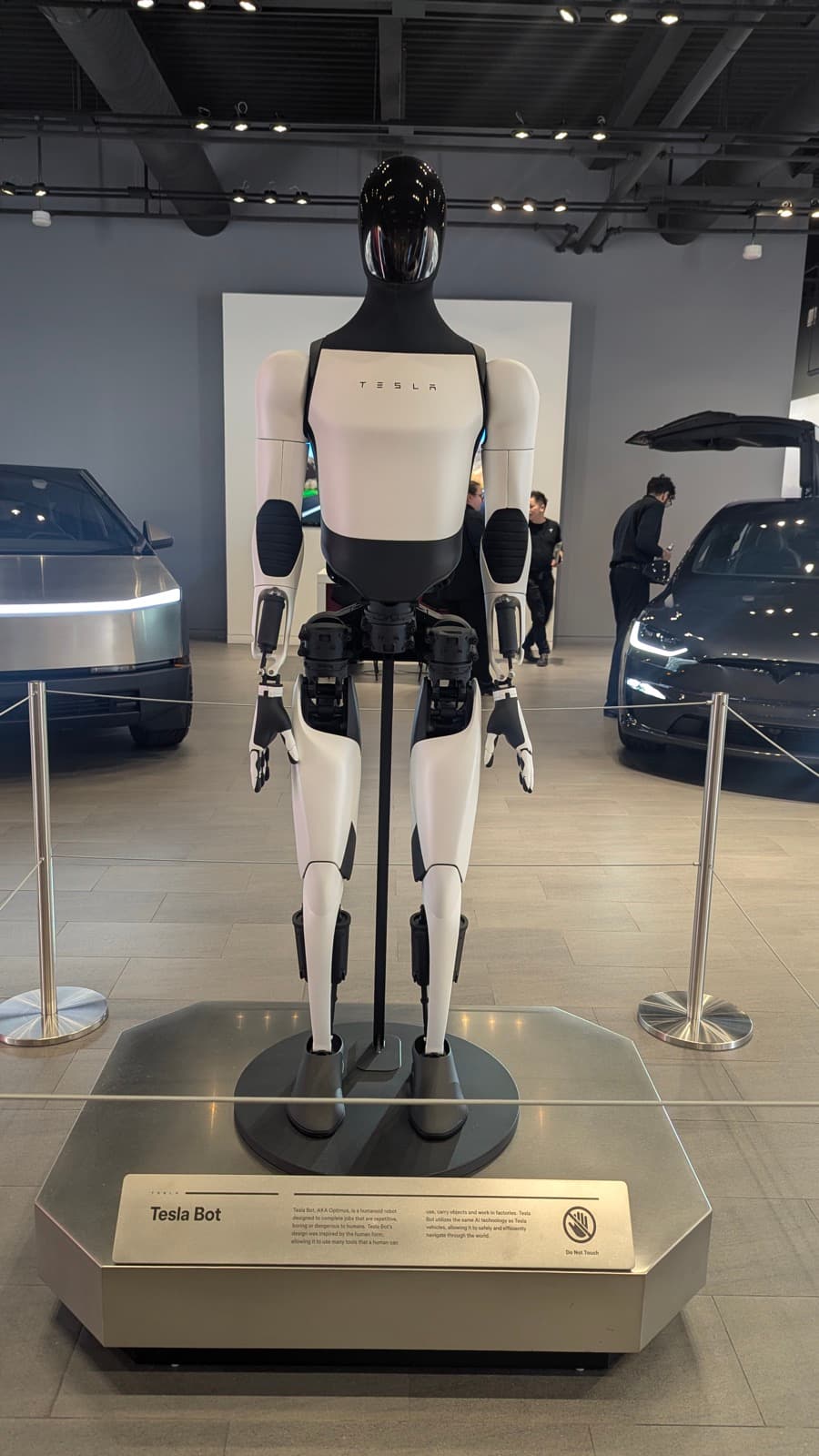
Optimus
Tesla
Tesla's bid to build humanoids by the million.
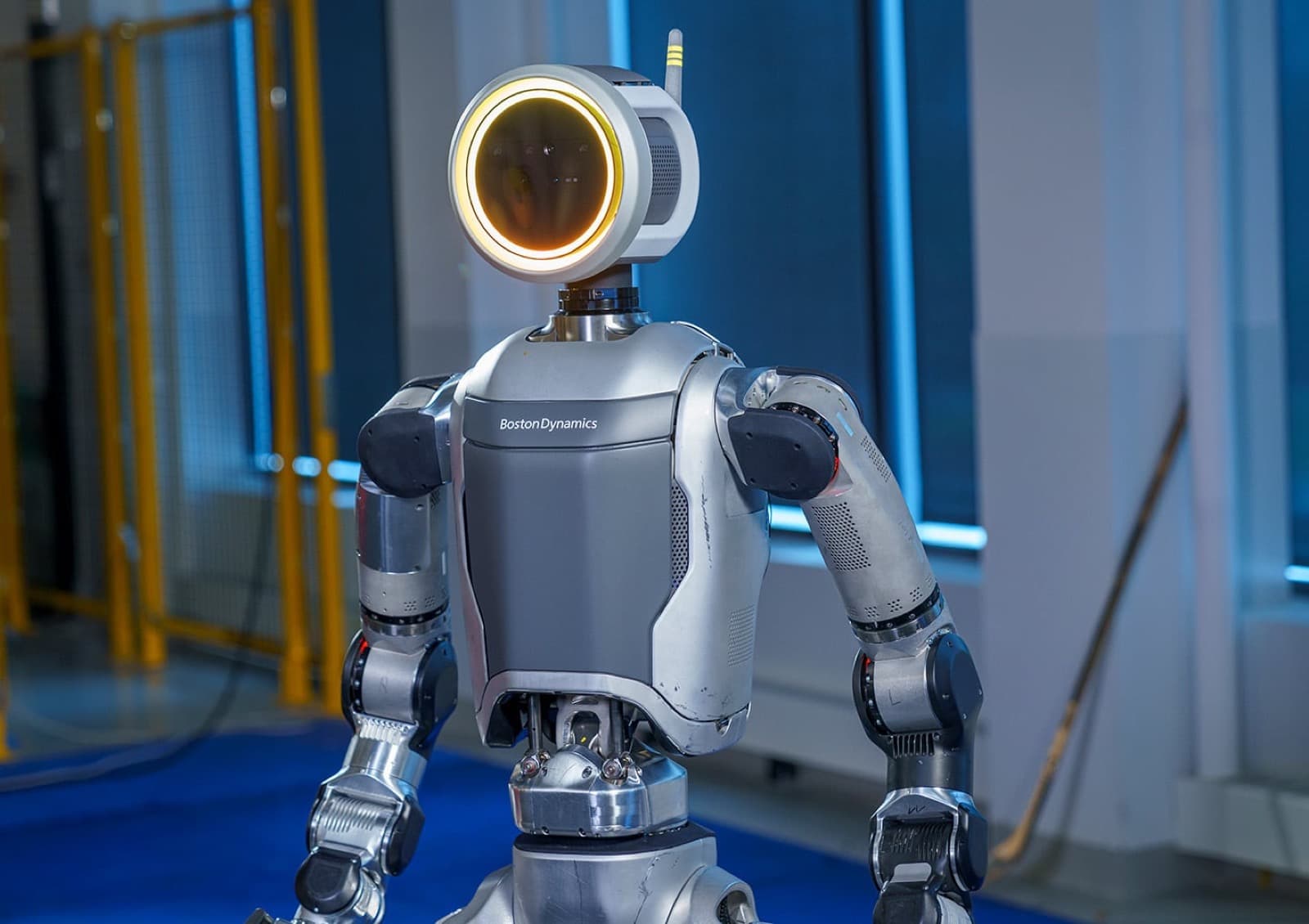
Atlas
Boston Dynamics
The capability ceiling of the whole field.
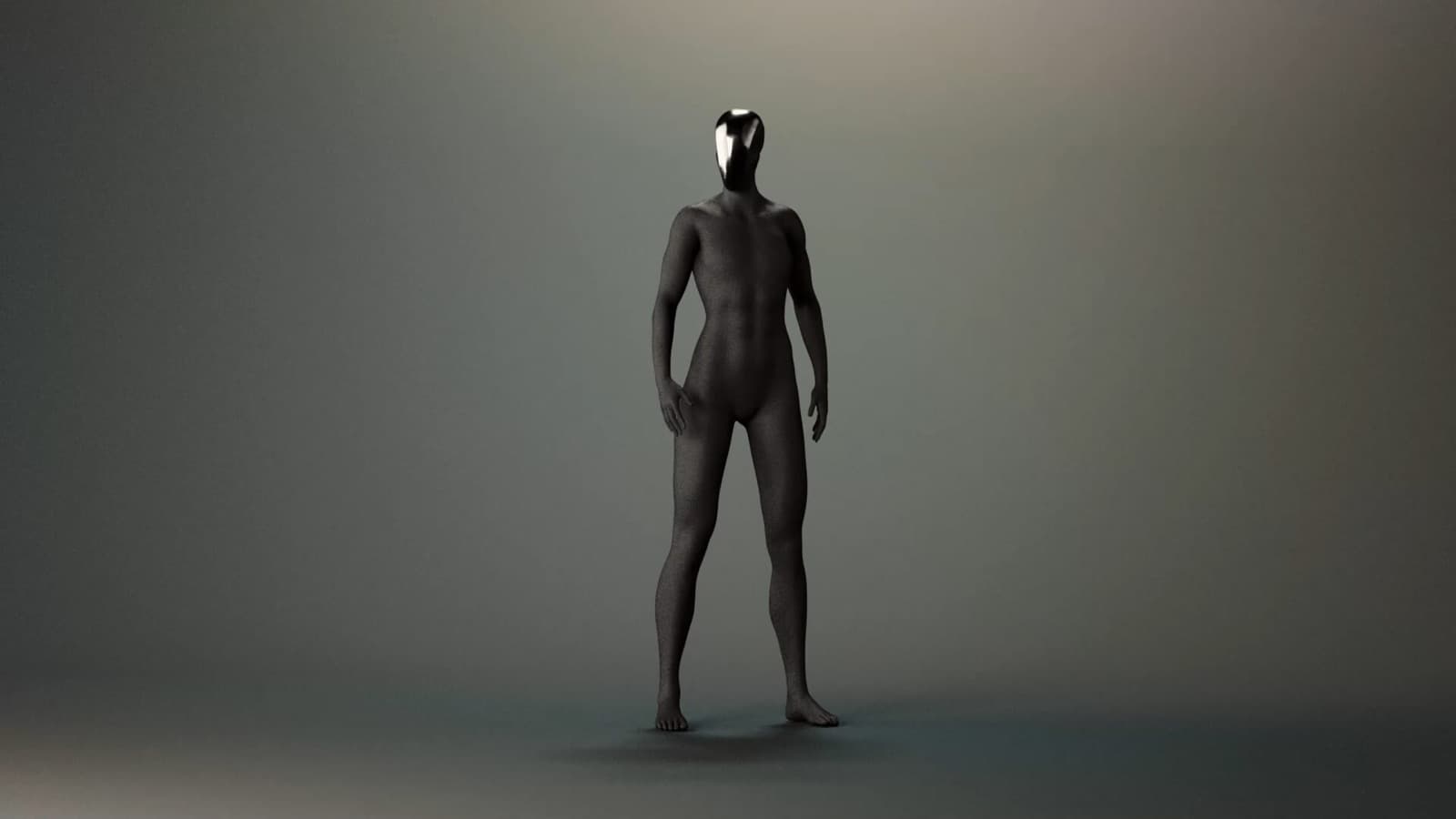
Clone Alpha
Clone Robotics
An android built like a body — muscle, bone, and a lot of unproven promise.
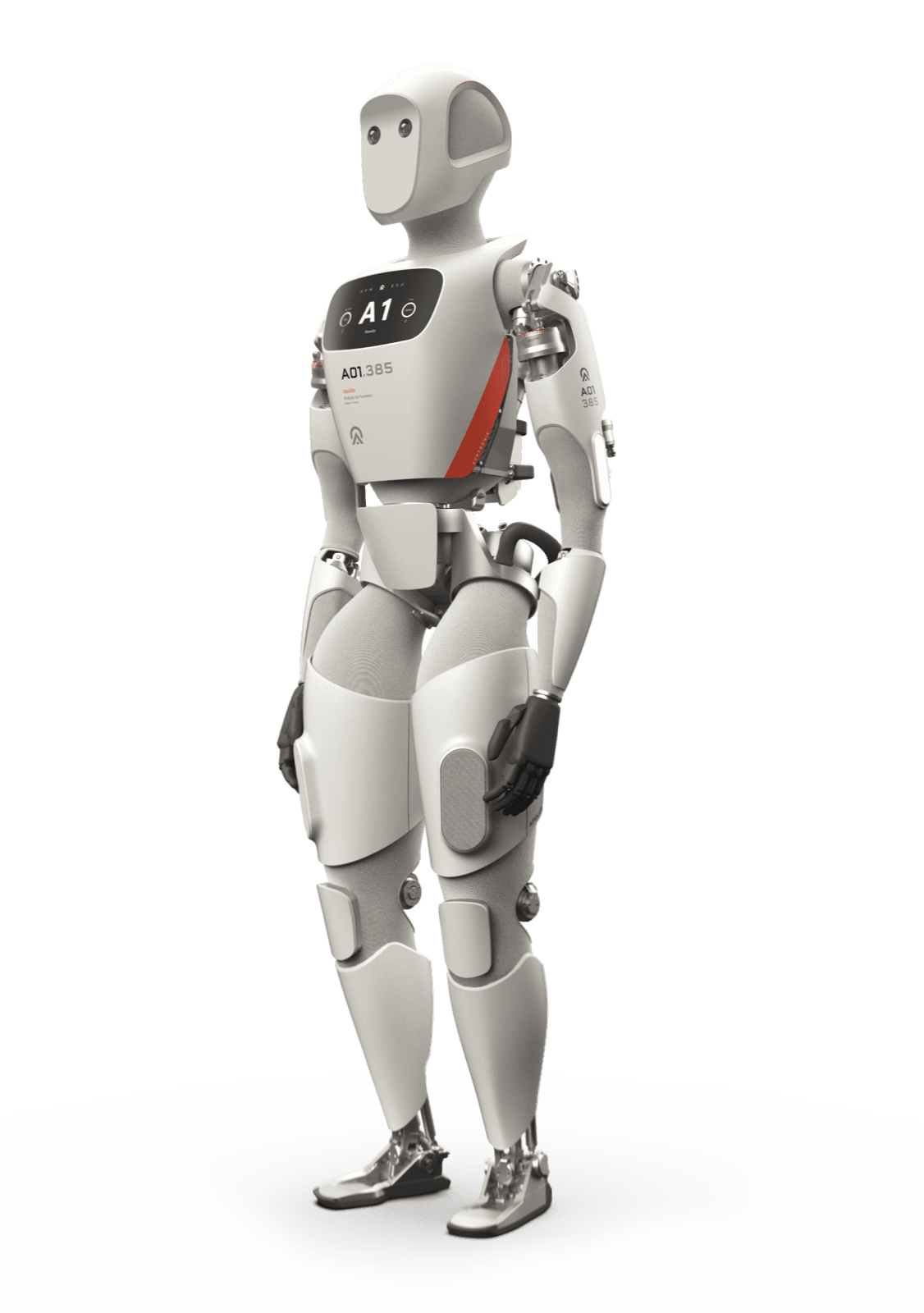
Apollo
Apptronik
A working humanoid, already on pilot lines.