Unitree/Humanoid
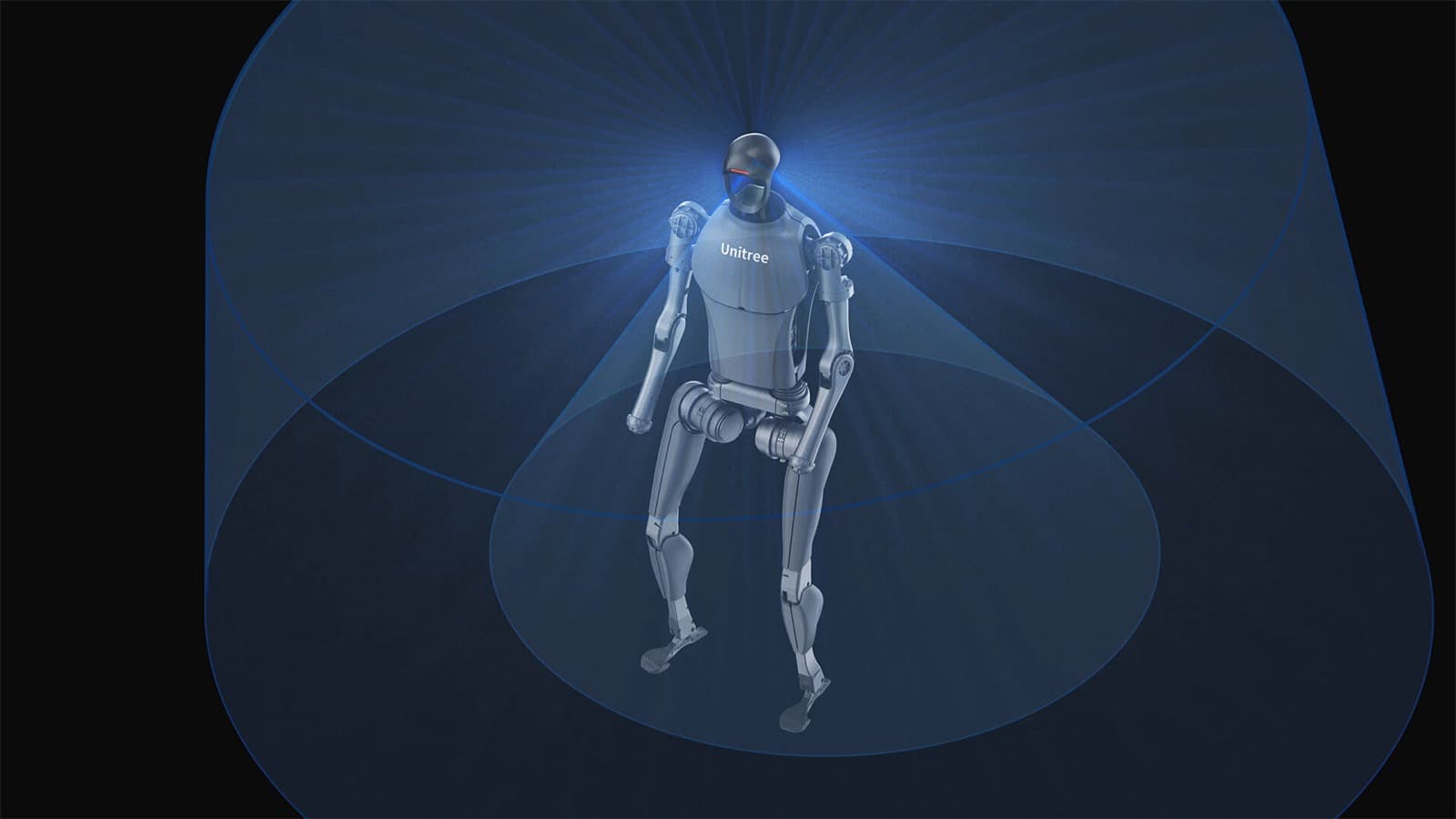
Unitree H1
The full-size humanoid that actually runs.
- Set a ~3.3 m/s world speed record for full-size humanoids (2024)
- Full human scale for roughly the price of one Western arm
- A capable ROS2 research and embodied-AI platform
Realism index
24/100
Our editorial estimate of how close this machine is to a lifelike human companion — six weighted dimensions, built from public evidence. How we score · The whole field, ranked
See it move
Photos flatter; motion is where realism is won or lost.
If the G1 is Unitree's pocket humanoid, the H1 is its athlete. A full-size, 1.8-metre, 47-kilogram biped, it made headlines in 2024 by clocking 3.3 m/s — a world speed record for a full-size humanoid at the time — and by dancing, jumping and taking stairs in viral clips. The pitch is raw dynamic ability at a price that embarrasses the West.
What you get
Serious legs: roughly 19 degrees of freedom, 360 N·m peak knee torque and a torque density (~189 N·m/kg) among the highest of any electric humanoid, plus 3D LiDAR and depth sensing on Unitree's vertically integrated motors. It runs on onboard Intel CPUs with an optional NVIDIA Jetson Orin and slots straight into the ROS2 research ecosystem, which is where most H1s actually live — university and corporate labs studying bipedal locomotion and embodied AI. The upgraded H1-2 adds 7-DOF arms for real manipulation.
The catch
This is a research and embodied-AI platform, not a companion — and Unitree is upfront about that. No face, no skin, no warmth, an exposed chassis, and a roughly 1–2 hour battery. The famous speed and the party tricks are tightly choreographed demonstrations; the gap between "did a backflip on stage" and "did useful work in your building" is still wide. From ~$90k it is a bargain for a full-size humanoid — a fraction of what Western rivals quote, from the maker that already ships more humanoids than anyone — but it is a tool, not a person.
Why it scores 24
A hair above the smaller G1. The same near-zero on face, skin and mind — there is simply no companion surface here — but full human scale and best-in-class dynamic mobility nudge it up. The H1 matters to this site as the high-water mark for cheap, fast hardware: it shows how quickly the body problem is falling to price, while making it obvious how much of "lifelike companion" still lives in the face and mind that machines like this don't even attempt.
Our verdict
The case for
- Best-in-class dynamic mobility for a full-size humanoid
- A bargain price for human-scale hardware
- Strong research SDK and ROS2 ecosystem support
The case against
- A research platform — no face, skin or companion ambitions
- Roughly 1–2 hour runtime
- The record speed and party tricks are tightly choreographed
What it can do
- Fast, dynamic bipedal walking, running and stair-climbing
- Self-rights and runs viral dynamic demos (dancing, jumping)
- Optional 7-DOF arms (H1-2) for real manipulation
Quick answers
Composed from the directory record above — so they can't drift from the data.
- What is Unitree H1?
- Unitree H1 is a humanoid-class machine (general-purpose) from Unitree (China). A 180 cm, 47 kg dynamic humanoid that set the bipedal speed record — fast, agile, research-grade, and a fraction of a Western rival's price.
- How much does Unitree H1 cost?
- From ~$90k (H1); the upgraded H1-2 runs ~$150k. Cheap for a full-size humanoid. Prices in this category move often — the paper trail on this page records every change we log.
- Can you buy Unitree H1 right now?
- Yes — Unitree H1 is shipping to customers today. The maker's current label is "Shipping now".
- How lifelike is Unitree H1?
- We rate Unitree H1 24/100 on the gfs.ai Realism Index — an editorial score across six weighted dimensions, built only from public evidence. It scores strongest on motion (62/100) and weakest on face (0/100).
- Who makes Unitree H1?
- Unitree H1 is built by Unitree — founded 2016, headquartered in Hangzhou, China. The company's focus: affordable quadruped and humanoid robots.
Keep exploring
Related machines
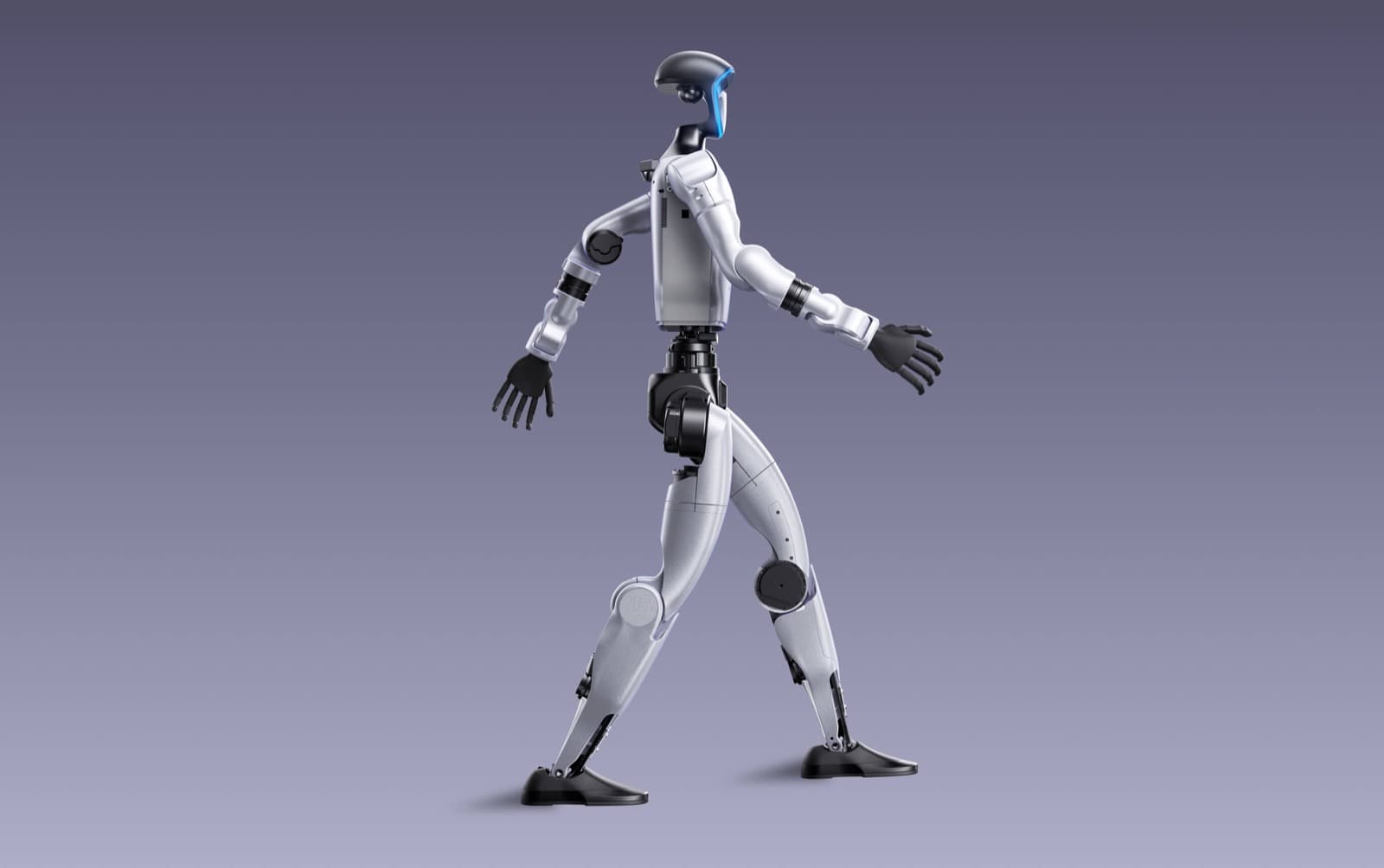
Unitree G1
Unitree
The cheapest walking humanoid you can actually buy.
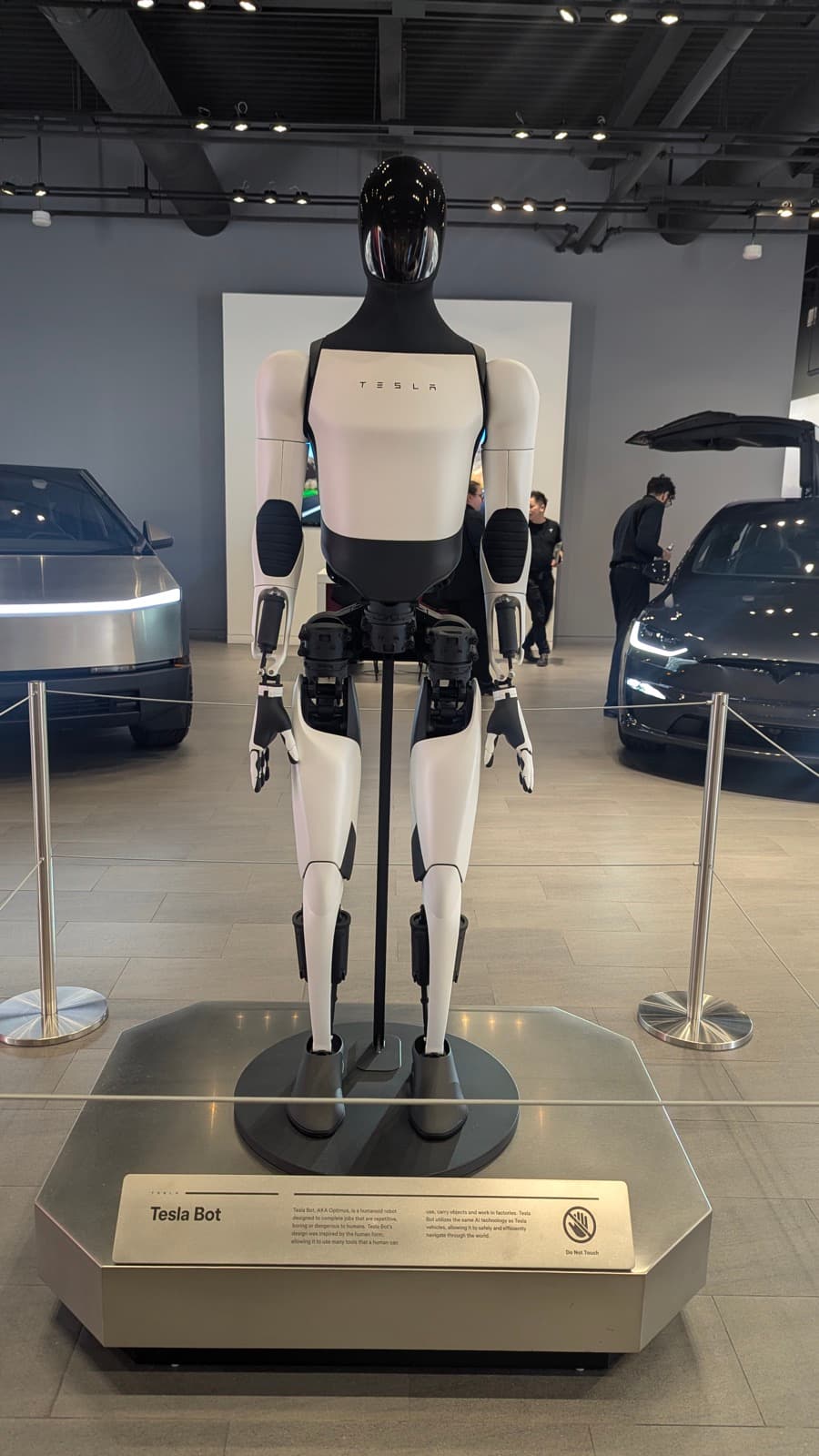
Optimus
Tesla
Tesla's bid to build humanoids by the million.
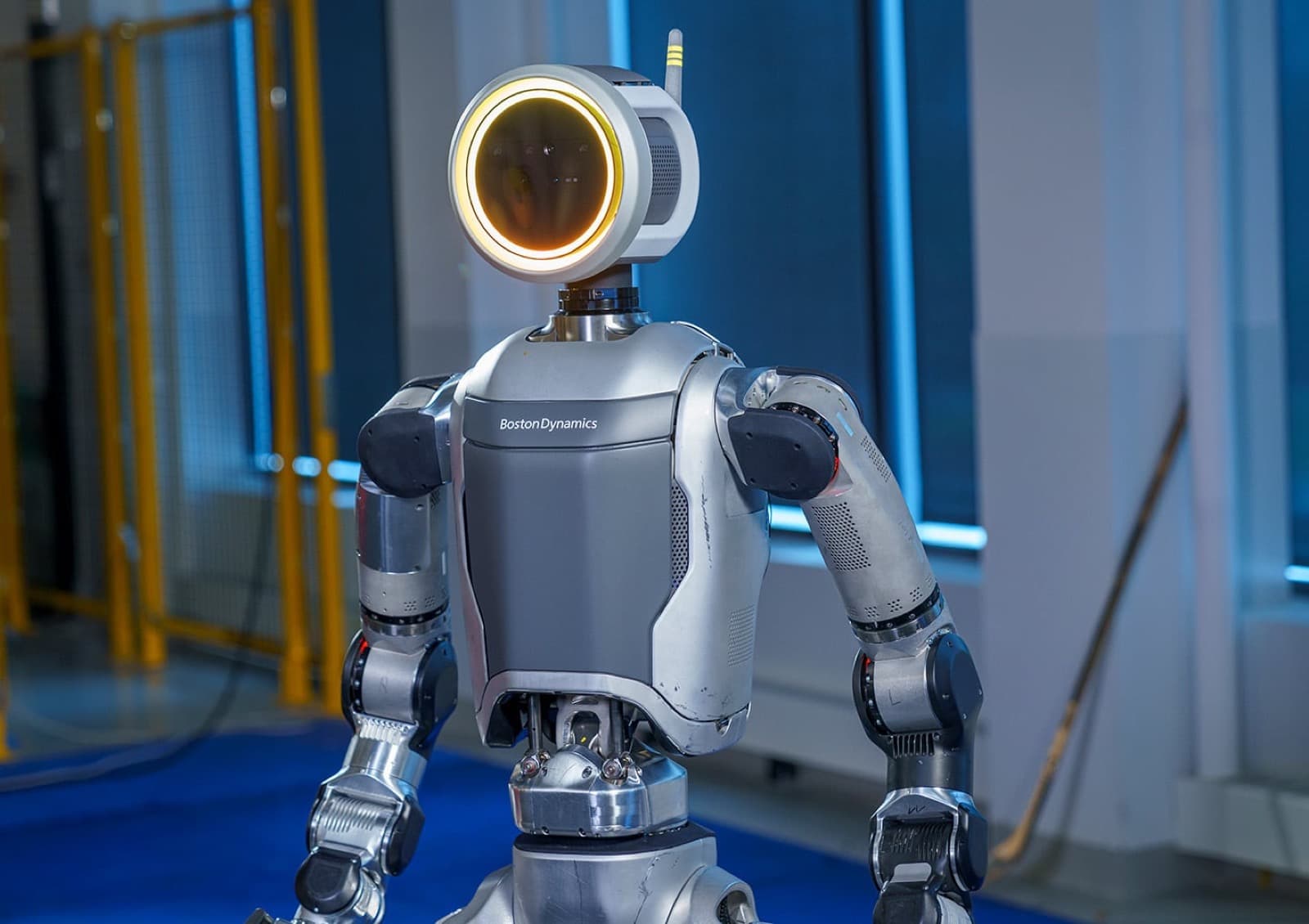
Atlas
Boston Dynamics
The capability ceiling of the whole field.
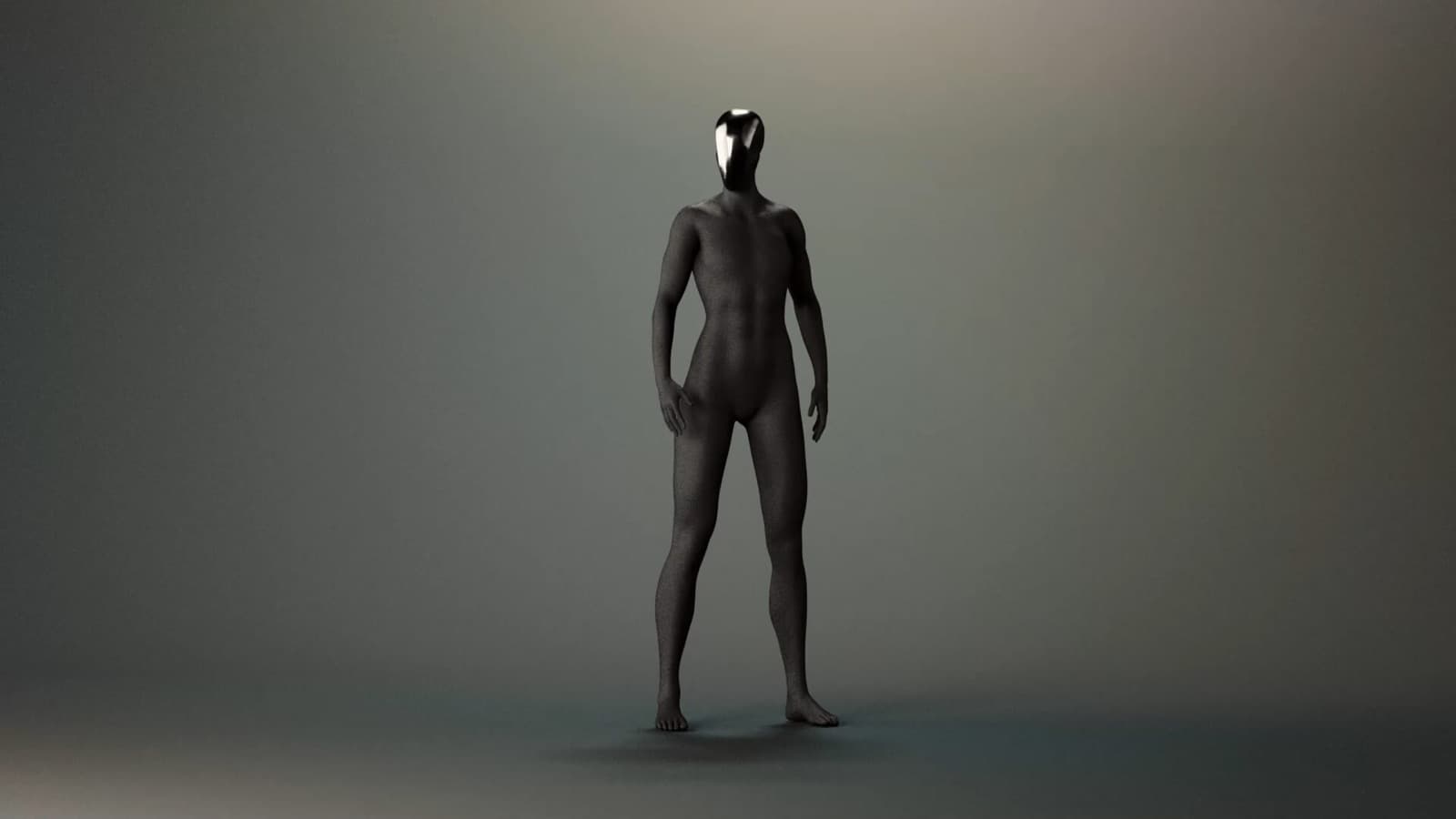
Clone Alpha
Clone Robotics
An android built like a body — muscle, bone, and a lot of unproven promise.