From Galatea to Aria: a short history of the artificial lover
The dream of a crafted, lifelike companion is older than electricity. We've been telling this story — and fearing it — for three thousand years.
By The gfs.ai Desk
It is tempting to think the robot companion is a creation of the AI age — a thing that arrived with large language models and silicone skin. It isn't. The wish is one of the oldest we have written down, and we have been rehearsing both the longing and the dread for three thousand years.
The sculptor
The story begins, more or less, with Ovid. Pygmalion, a sculptor disgusted by real women, carves an ivory statue so perfect he falls in love with it — and Venus, taking pity, breathes it to life. Her name, given later, was Galatea. Every artificial companion since is, in some sense, her descendant: the crafted ideal, made warm.
What's striking is how completely Ovid already understood the fantasy. It isn't really about lust. It's about a partner shaped precisely to one person's desire, who arrives without the friction, history, or autonomy of another human being. That's the same promise on the spec sheet of every companion in this directory — and the same quiet unease.
The automaton
The dream kept its grip through the centuries, and so did the fear. Jewish legend gave us the Golem — the crafted servant that turns dangerous. The ballet Coppélia turned on a man falling in love with a clockwork doll mistaken for a living woman. In 1886, Villiers de l'Isle-Adam wrote L'Ève future, in which a fictional Thomas Edison builds a perfect mechanical woman named Hadaly — and gave us, in the process, the word android.
Notice the pattern. For most of this history the body was the easy part to imagine and the soul was the miracle — supplied by a goddess, by Kabbalah, by magic. We could always picture the lifelike form. What we couldn't picture was what would make it someone.
The inversion
That is exactly what has flipped in our lifetime, and it's why this moment feels different from every retelling that came before.
The twentieth century kept the warning alive — the chilling conformity of The Stepford Wives, the seductive intelligence of Ex Machina, the heartbreak of Her. But underneath the fiction, the engineering quietly advanced. Abyss Creations spent the 1990s and 2000s perfecting the silicone body under the RealDoll name. And then the soul — the part every previous storyteller needed magic for — was delivered, almost casually, by the AI revolution.
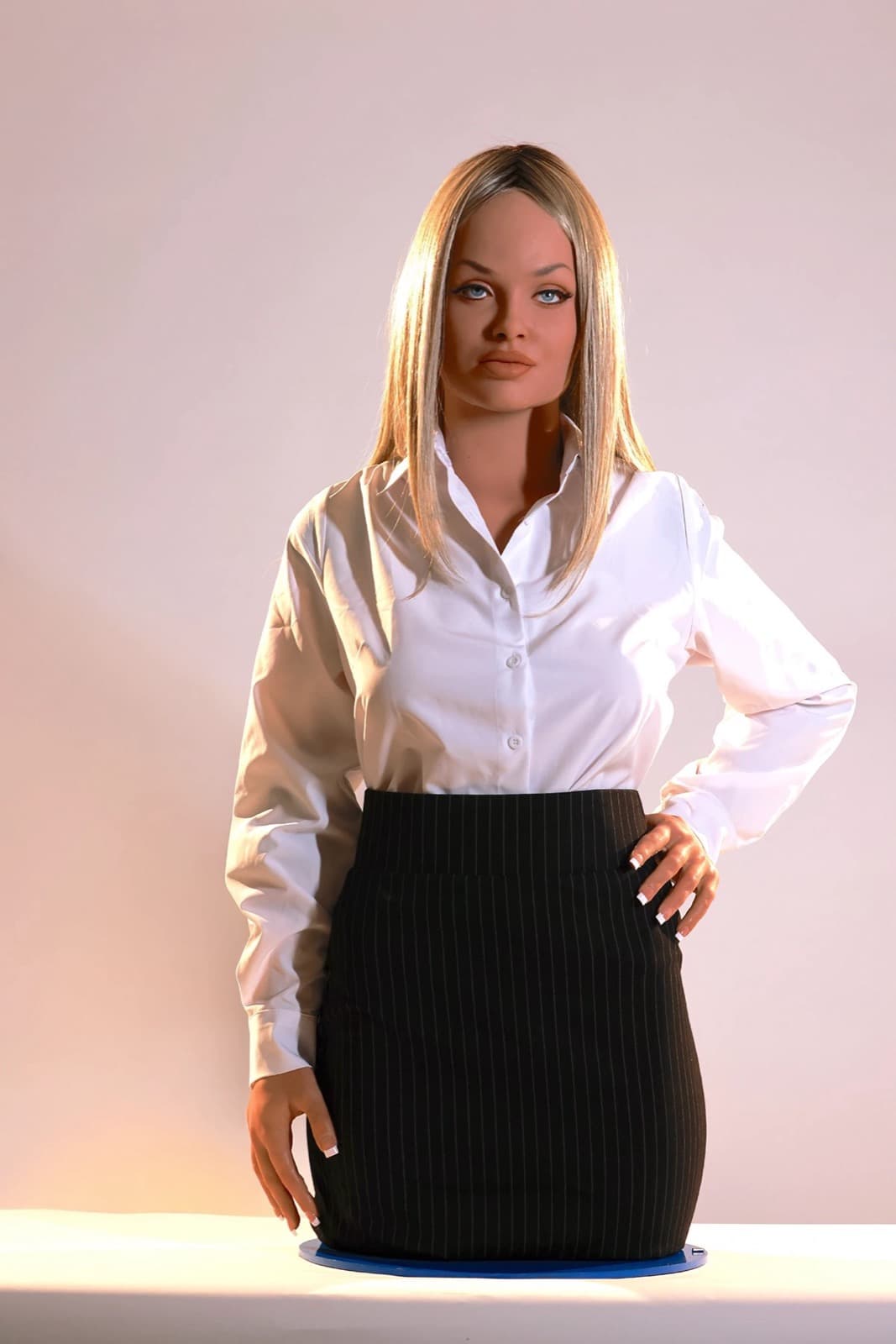
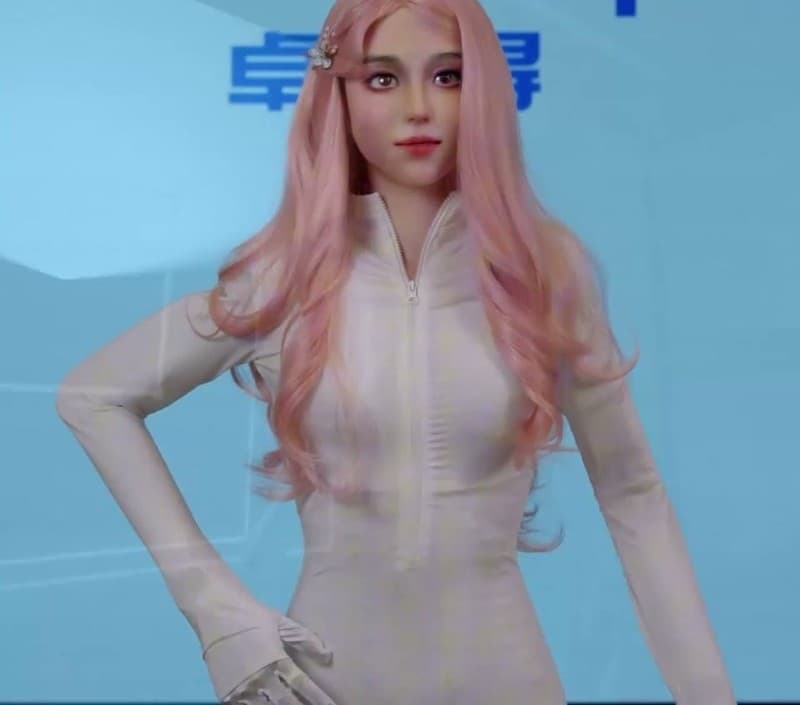
So the modern companion is the ancient myth run in reverse. Pygmalion had the perfect body and prayed for a soul. Aria is the answer to that prayer, assembled today from parts that already exist: the body of a RealDoll, the mind of a language model, the warmth — if Moya's makers are right — of heated skin. Galatea, at last, without Venus — though Venus, unlike Realbotix, never charged by the month.
Why the old stories still matter
It would be easy to read three thousand years of this and conclude we're simply fulfilling an eternal wish. But the myths were never only wish-fulfilment. Galatea has no recorded voice of her own. The Golem turns on its maker. Hadaly is uncanny. The Stepford wives are a horror. Across every version, the same question is asked and never quite answered: when you build a companion to your own specification, what exactly have you made — a partner, or a beautiful mirror?
We are the first generation that will get to find out for real, in our own homes, at scale. The least we can do is read the stories we've been telling ourselves for three millennia. They were never predictions. They were warnings, written in advance, by people who understood the longing perfectly — because it was theirs, too.
In this piece
Machines mentioned
The briefing
The future of companionship, in your inbox
One careful dispatch a month: every price change, ship-date slip and new machine we log — plus the milestones that actually matter. No hype, no spam.
Free. Unsubscribe anytime.
Keep reading
More from the journal
The U1 watch: from launch stage to living room
13,361 preorders, three trims, and a mid-September delivery promise. Our running log of UBTech's U1 — the claims, the dates, and what to watch when the first mass-produced lifelike companion meets its owners.
The honest state of the robot companion, mid-2026
A clear-eyed audit of the companion market as it really is in 2026 — three machines you can own, one you can reserve, and a great deal of fog.
Your companion is being built in pieces
The companion is no longer an invention problem. It's an integration problem — and that's a very different, much shorter race.