
Your companion is being built in pieces
No single robot is a convincing companion yet. But every piece of one already exists — scattered across a dozen machines that have never met.
By The gfs.ai Desk
Here is the strange truth about the lifelike companion in 2026: it doesn't exist, and all of its parts do.
Walk the directory on this site and you'll meet a dozen machines, none of which is the thing we're all waiting for. But line them up and something uncanny happens. Between them, they already contain every component of a convincing companion. The robot you're imagining isn't waiting to be invented. It's waiting to be assembled.
The face exists
Engineered Arts' Ameca has the most expressive face ever put on a machine — 27 degrees of freedom that let it hold your gaze, raise an eyebrow, and let an expression bloom and fade with a fluidity that genuinely unsettles people. It can't walk, it isn't a companion, and it doesn't pretend to be. But the single hardest problem in the whole endeavour — a face that moves like a face — is, if not solved, then closer than you'd think.
The body exists
Clone Robotics' synthetic-muscle android is built like a body instead of a machine: an artificial skeleton wrapped in water-actuated muscle, moving with a disquieting organic compliance. It's unproven, unpriced, and years from shipping. But the proof-of-concept for a robot that flexes like flesh rather than pivoting like a hinge is already twitching on camera.
The hands exist
Sanctuary AI's Phoenix carries the most dexterous, most sensitive hands in any humanoid program — 21 degrees of freedom each, fingertips that feel a few thousandths of a newton. The ability to hold a hand, button a shirt, or pour a glass without crushing it is being solved right now, in a lab in Vancouver.
The warmth exists
DroidUp's Moya claims skin held at body temperature — and while every one of its specs deserves a raised eyebrow, the idea is sound and being chased: a surface that feels alive to the touch turns an object into a presence.
The mind exists
This is the part that arrived almost by accident. The large language models that power Aria and every serious companion are already capable of warm, memory-laden, emotionally aware conversation. The thing we assumed would be hardest — the talking — turned out to be the part the entire AI industry solved for other reasons.
So what's missing?
Integration. Every component above lives in a different machine, optimised in isolation, by a different company, for a different purpose. Nobody has put the Ameca face on the Clone body with the Sanctuary hands, warmed the skin, and wired in a frontier mind — because doing so is a staggering systems-engineering problem, and because the economics of a six-figure niche product don't yet justify it.
But notice what kind of problem that is. We are no longer waiting on a breakthrough. We're waiting on assembly, integration, and cost reduction — the boring, reliable, fast part of any technology's life. Invention is unpredictable and can take decades. Integration is an engineering schedule.
That's why the honest answer to "when?" is sooner than the current products suggest and later than the hype claims. The companion that meets your eyes, holds your hand, remembers your week, and feels warm when you touch it is not a fantasy and not next year. It's a finite list of integration problems, every one of which already has a working answer somewhere in this directory.
The pieces are on the table. Someone is about to put them together.
In this piece
Machines mentioned
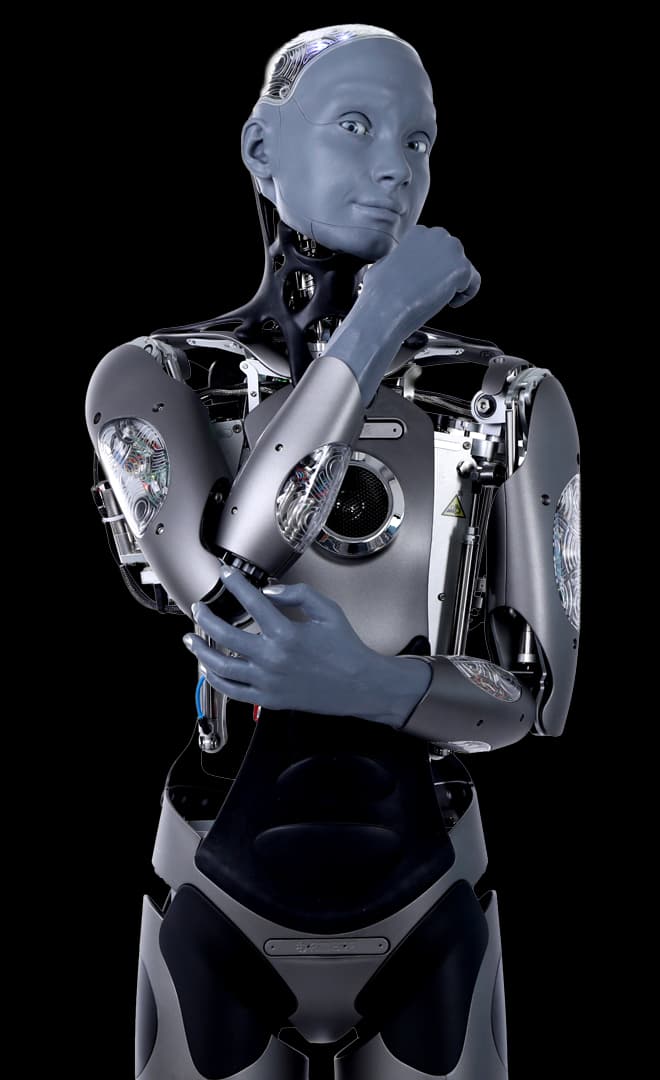
Ameca
Engineered Arts
The most expressive robotic face ever built.
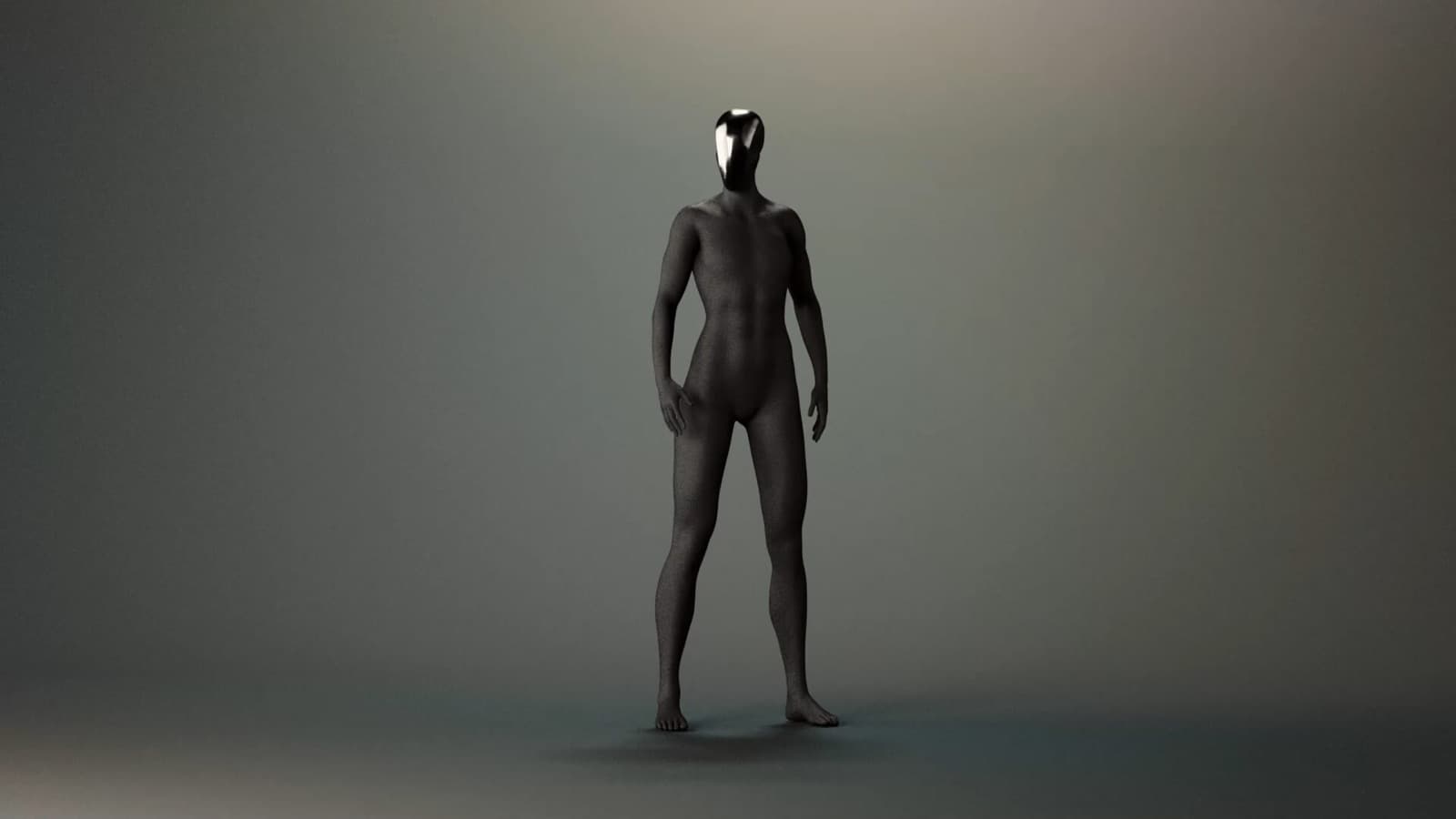
Clone Alpha
Clone Robotics
An android built like a body — muscle, bone, and a lot of unproven promise.
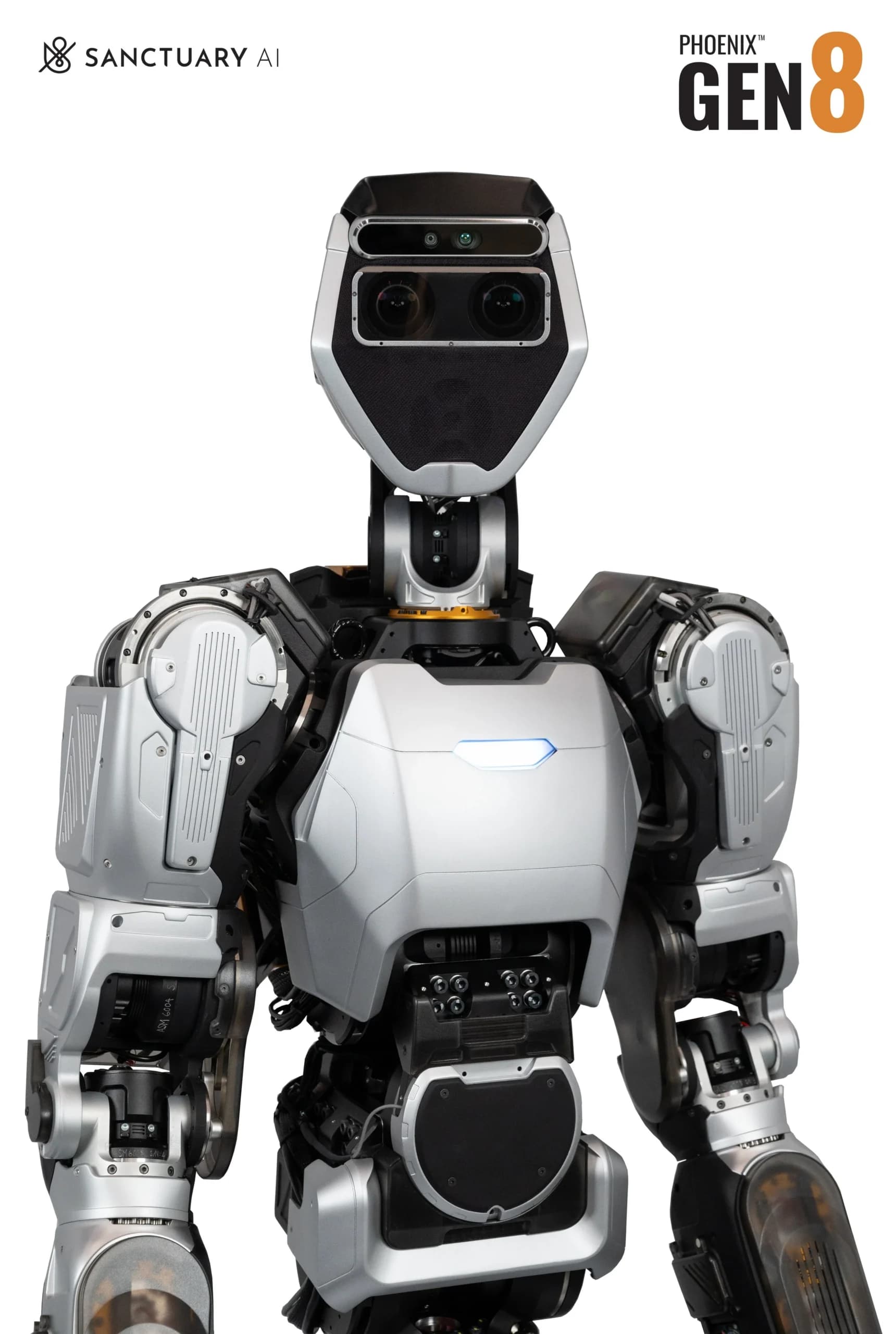
Phoenix
Sanctuary AI
The most dexterous hands in robotics.

Moya
DroidUp
China's warm-skinned answer to Aria — if the claims hold.

Aria
Realbotix
The most lifelike companion you can actually buy.
The briefing
The future of companionship, in your inbox
One careful dispatch a month: every price change, ship-date slip and new machine we log — plus the milestones that actually matter. No hype, no spam.
Free. Unsubscribe anytime.
Keep reading
More from the journal
The U1 watch: from launch stage to living room
13,361 preorders, three trims, and a mid-September delivery promise. Our running log of UBTech's U1 — the claims, the dates, and what to watch when the first mass-produced lifelike companion meets its owners.
The honest state of the robot companion, mid-2026
A clear-eyed audit of the companion market as it really is in 2026 — three machines you can own, one you can reserve, and a great deal of fog.
Can you love something you're leasing?
The body is a one-time purchase. The soul is $199.99 a month. That arrangement should give us pause.