
The honest state of the robot companion, mid-2026
What you can actually buy, what it costs, and how much of the marketing to believe.
By The gfs.ai Desk
Strip away the viral clips and the render reels, and the robot-companion market in 2026 is smaller, more expensive, and more honest than the headlines suggest. Here's the audit.
What you can actually buy
Exactly one company sells a machine that behaves like a companion today: Realbotix. Its Aria and travel-friendly Melody are conversational, expressive from the chest up, endlessly customisable — and unmistakably luxury objects. The flagship starts around $125,000 (down from a $175,000 launch price), with a $199.99 monthly subscription for the AI. They do not walk. They ride a wheeled base or sit, expressive above the waist and static below.
That's the whole "shipping companion" market. One company, two products, a few dozen units in the world.
What you can reserve
Clone Robotics will take a deposit for one of 279 Alpha Edition androids — but be clear-eyed: no complete unit has been shown working, the price is undisclosed, and the ship date has already slipped toward 2028. It's a bet on a lab, not a purchase.
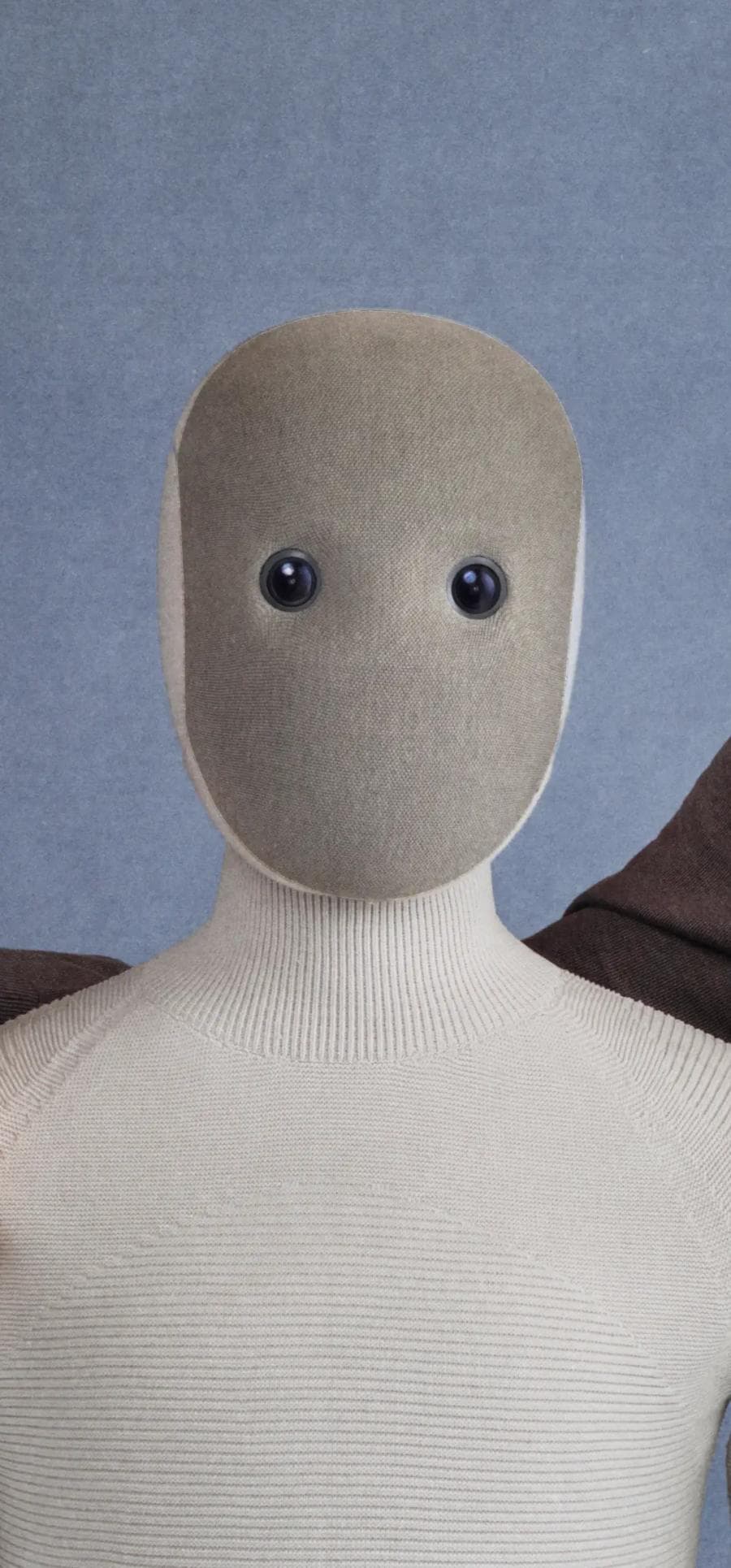
NEO, from 1X, is genuinely orderable at $20,000 or $499 a month — but it's a helper, not a companion. No face, and early units lean on remote human operators.
What you cannot buy, whatever the headline says
Moya, the body-temperature prototype that broke the internet, is not for sale and every spec is an untested maker claim. Tesla's Optimus, Figure 03, Boston Dynamics' Atlas — none are available to consumers. A demo is not a product page, and a press kit is not a review.
How much to believe
A working rule for 2026: trust stillness, distrust motion-claims; trust prices, distrust timelines; trust the makers who undersell. The most credible companies on this beat — Realbotix, 1X — are conspicuously candid about limits (Aria can't walk; NEO phones a human). The least credible coverage comes from aggregator sites recycling a single press release into a spec sheet that no journalist ever verified.
The shape of the thing
So the market is tiny, costly, and partly imaginary. Why does it matter? Because for the first time the gap between "science fiction" and "expensive niche product" has closed. You can, today, spend six figures and bring home a warm, conversational, customisable presence that remembers you. It won't walk to the door, and it won't fool you for a full minute of eye contact. But it exists, it ships, and the line from here to the real thing is no longer a question of whether — only of integration, cost, and time.
Buy in 2026 if you want to fund the frontier and can afford a luxury. Wait if you want the dream delivered. Either way, judge it by what it does in your living room for sixty unscripted seconds — not by what it does in a thirty-second clip shot by the company that's selling it.
In this piece
Machines mentioned

Aria
Realbotix
The most lifelike companion you can actually buy.

Melody
Realbotix
Aria's portable, open-source sister.

Moya
DroidUp
China's warm-skinned answer to Aria — if the claims hold.
NEO
1X Technologies
The first home humanoid you can actually pre-order.
The briefing
The future of companionship, in your inbox
One careful dispatch a month: every price change, ship-date slip and new machine we log — plus the milestones that actually matter. No hype, no spam.
Free. Unsubscribe anytime.
Keep reading
More from the journal
The U1 watch: from launch stage to living room
13,361 preorders, three trims, and a mid-September delivery promise. Our running log of UBTech's U1 — the claims, the dates, and what to watch when the first mass-produced lifelike companion meets its owners.
Your companion is being built in pieces
The companion is no longer an invention problem. It's an integration problem — and that's a very different, much shorter race.
Can you love something you're leasing?
The body is a one-time purchase. The soul is $199.99 a month. That arrangement should give us pause.