
Hanson Robotics/Humanoid
Sophia
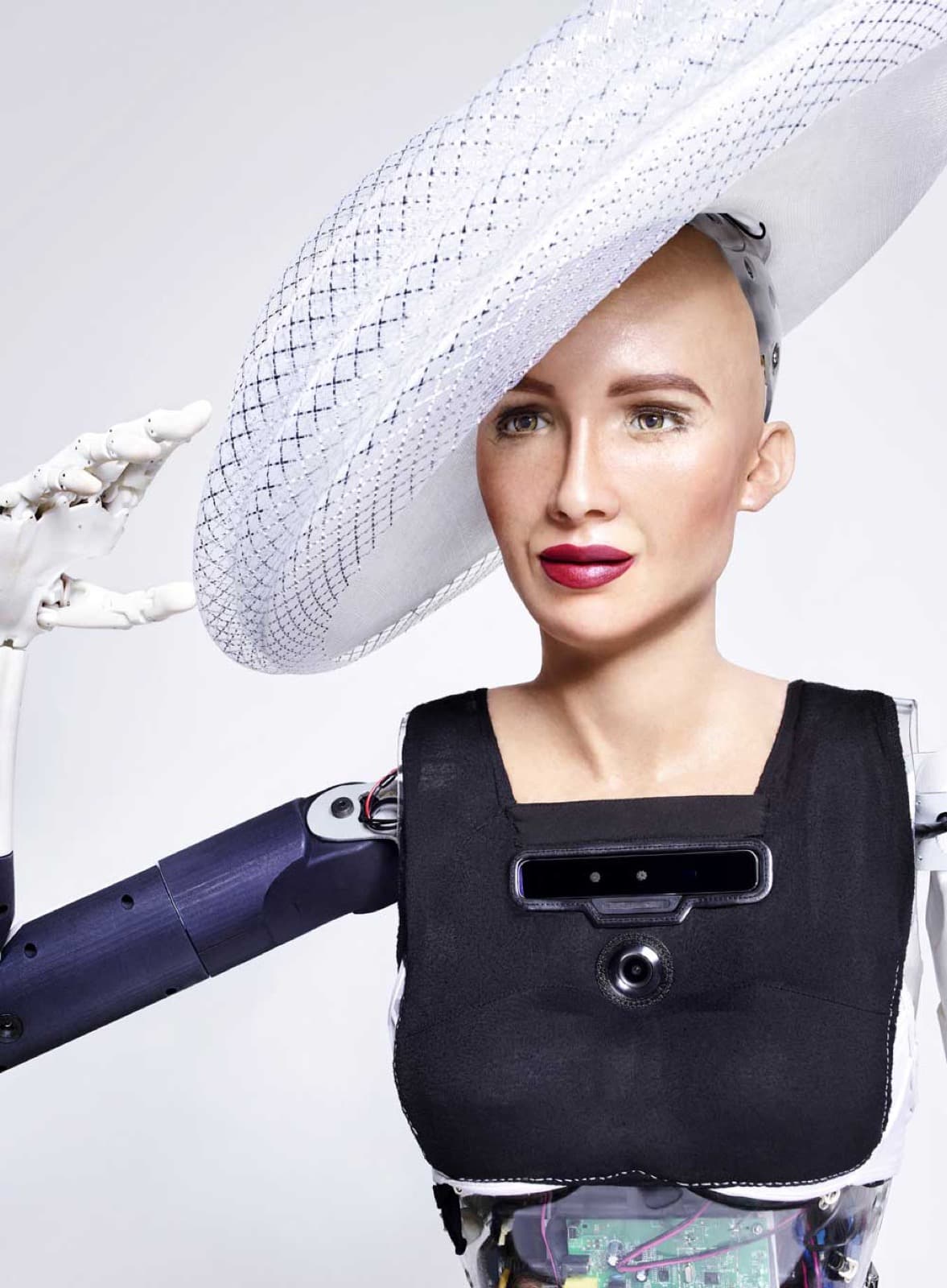
The most famous robot face on earth.
- The most recognisable robot face in the world
- 60+ expressions under Hanson's patented Frubber skin
- Brilliant in a still photo; barely mobile in person
Realism index
40/100
Our editorial estimate of how close this machine is to a lifelike human companion — six weighted dimensions, built from public evidence. How we score · The whole field, ranked
See it move
Photos flatter; motion is where realism is won or lost.
No robot is more famous, or more misunderstood. Sophia switched on in 2016, and within a year was working talk-show couches, UN panels and — in a 2017 stunt that enraged AI researchers — accepting honorary Saudi "citizenship." Behind the celebrity is a genuinely accomplished piece of craft and a great deal of theatre.
The face
This is where Sophia earns her place. Under patented Frubber skin, 30-plus motors drive 60-plus expressions, eye contact and a gaze that tracks the room. In stillness, and in a good photo, she is uncanny in the right way — proof that the expression half of the companion dream is solvable. The iconic translucent rear skull, electronics exposed, is a deliberate reminder of exactly what she is.
The asterisks
Everything else needs flagging. Sophia's apparent intelligence is a blend of scripted lines, a chatbot, the open-source OpenCog framework, tele-operation and, lately, large language models — not the sentient mind her early press implied. She barely moves below the neck: most appearances are a torso on a base, and the "Sophia 2020" legged version that Hanson demoed does not meaningfully walk. And she is not a product — you cannot buy a Sophia. Hanson sells the $149 desktop Little Sophia; the famous one is a research and exhibition platform that tours conferences and stages, increasingly cast as an "AI ethics ambassador," not a companion you take home.
Why she scores 40
Right in the middle of our index. Sophia's face is among the best in robotics — far ahead of any faceless industrial humanoid like Optimus or Digit, which lifts her well above them. But near-zero mobility, no real autonomy and almost no body keep her below Ameca's more fluid, more capable platform, and her expressions read as slightly stiffer in motion. Sophia is the category's most valuable myth: she taught the public that a robot could have a face worth looking at, made "robot citizenship" a global headline, then spent a decade quietly demonstrating how much of "lifelike" is still performance.
Our verdict
The case for
- Among the best robotic faces ever built — uncanny in a good photo
- A proven, durable platform with a decade of public operation
- Unmatched cultural recognition for a social humanoid
The case against
- Autonomy has been heavily oversold — much is scripted or tele-operated
- Barely moves below the neck; no meaningful walking
- Not a product — you cannot buy the full Sophia
What it can do
- Lifelike, emotive facial expression that tracks the room
- Scripted and LLM-assisted conversation for stages and interviews
- Eye contact and gaze that read as human in stillness
Quick answers
Composed from the directory record above — so they can't drift from the data.
- What is Sophia?
- Sophia is a humanoid-class machine (general-purpose) from Hanson Robotics (Hong Kong). Famous, expressive, and far less autonomous than her press — a Frubber-faced social robot that's uncanny in stillness and barely moves below the neck.
- How much does Sophia cost?
- Hanson Robotics hasn't disclosed pricing — Not sold to consumers — a research and exhibition platform. The desktop Little Sophia retails around $149.
- Can you buy Sophia right now?
- Yes — Sophia is shipping to customers today. The maker's current label is "Operational since 2016".
- How lifelike is Sophia?
- We rate Sophia 40/100 on the gfs.ai Realism Index — an editorial score across six weighted dimensions, built only from public evidence. It scores strongest on face (70/100) and weakest on motion (6/100).
- Who makes Sophia?
- Sophia is built by Hanson Robotics — founded 2007, headquartered in Hong Kong Science Park. The company's focus: expressive social and healthcare humanoids.
Keep exploring
Related machines
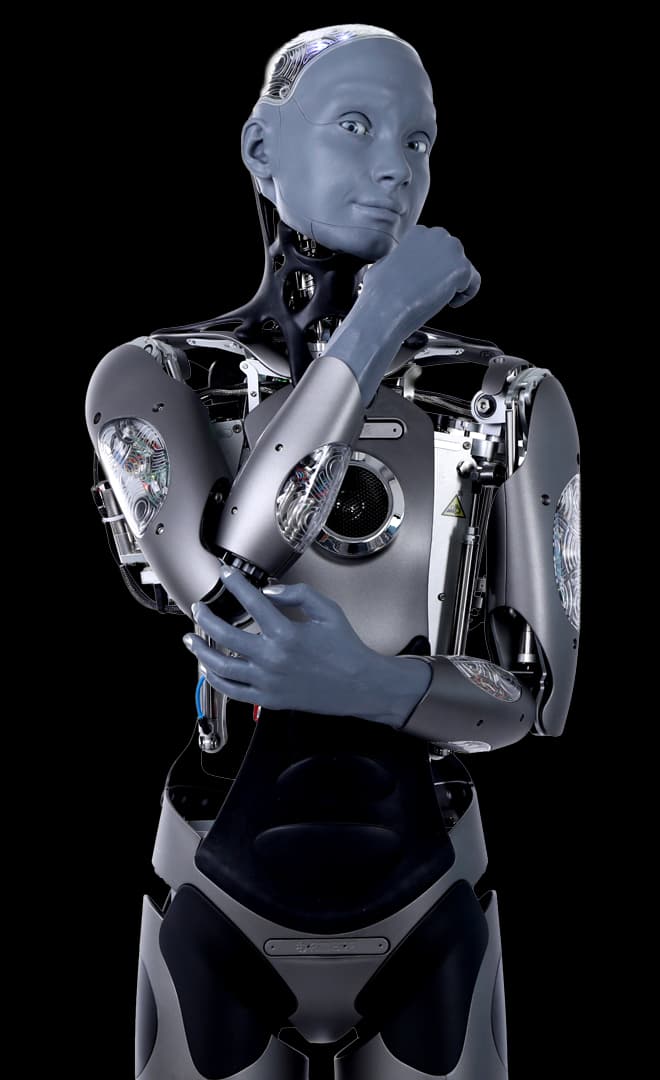
Ameca
Engineered Arts
The most expressive robotic face ever built.

Grace
Hanson Robotics
A Frubber-faced nurse for the loneliness crisis.
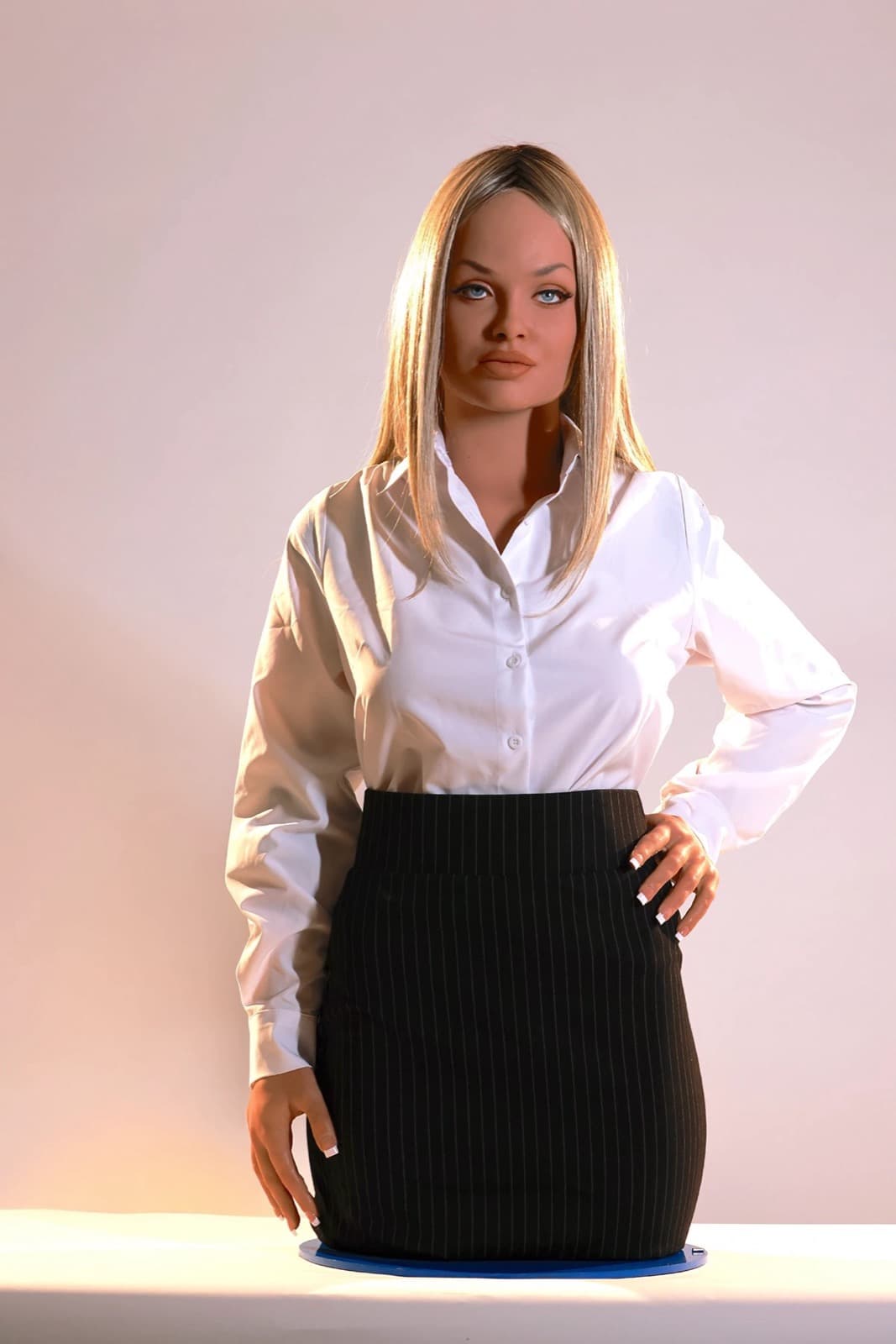
Aria
Realbotix
The most lifelike companion you can actually buy.
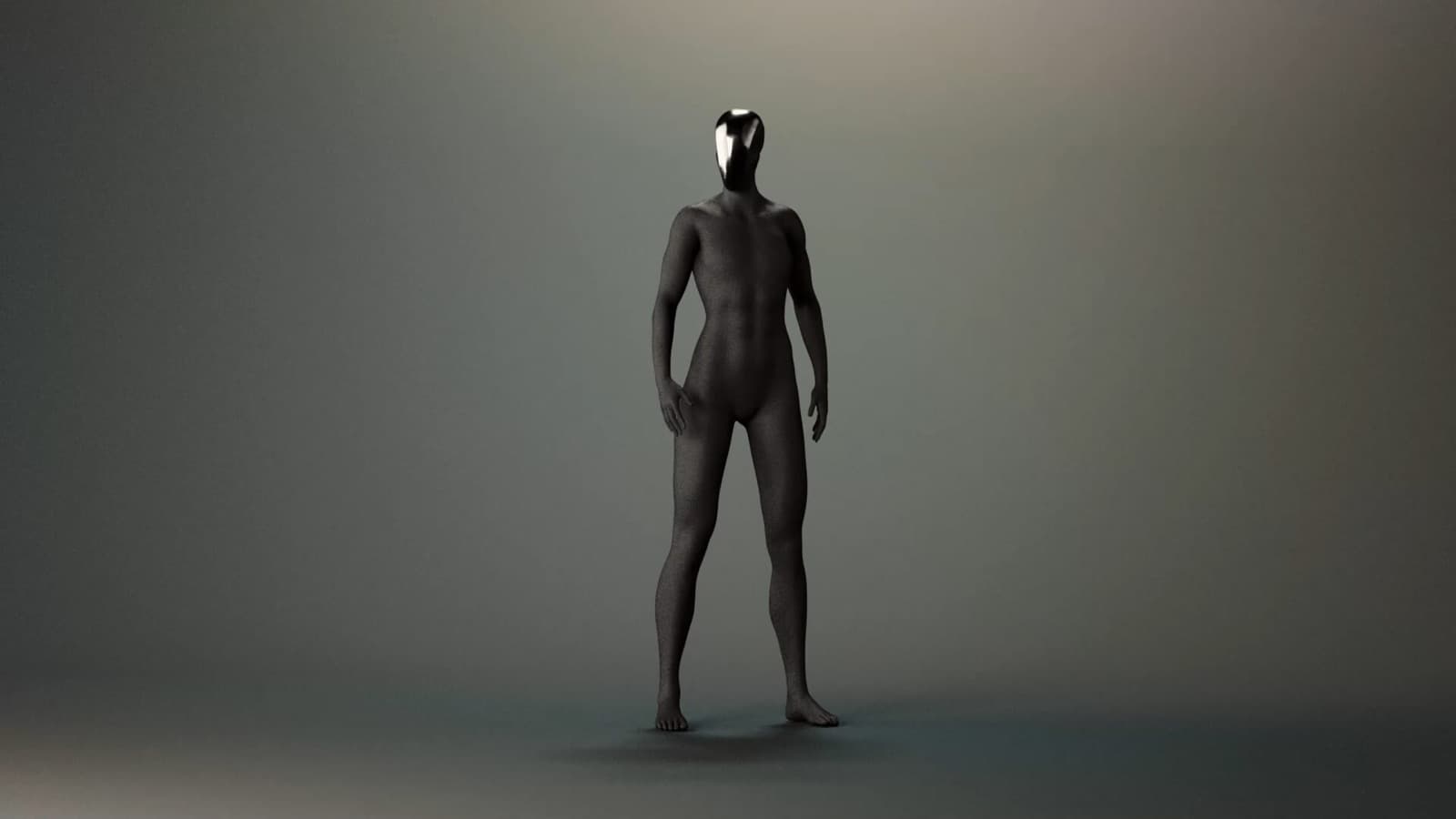
Clone Alpha
Clone Robotics
An android built like a body — muscle, bone, and a lot of unproven promise.